
The Silent Symptoms of Perimenopause Many Women Miss
July 31, 2026


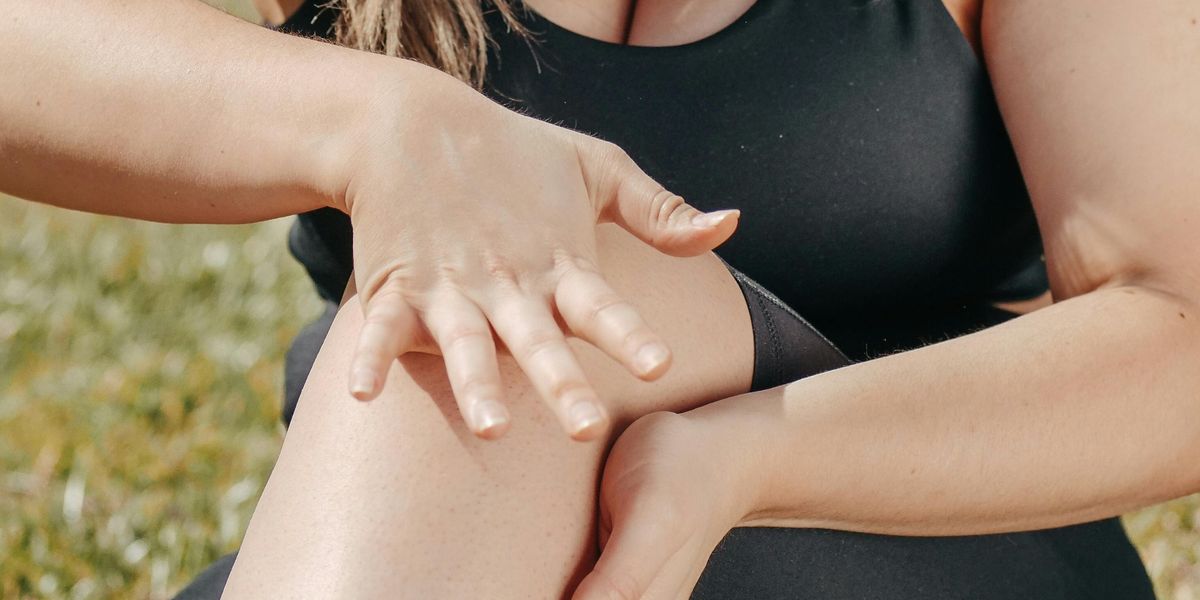

Joint discomfort becomes more common as women age, but many don't realize how much they can still do to protect their knees. With a few simple habits, it's possible to stay strong, flexible, and mobile well into the later years.
As women get older, caring for their joint health becomes more important than ever — especially when it comes to the knees. The knee is one of the body's largest and most complex joints, responsible for nearly every movement we make. We depend on it to walk, climb stairs, lift grandchildren, dance, garden, and enjoy hobbies that bring joy and purpose.
But because the knee carries the body's weight and absorbs impact with every step, it's also one of the joints most likely to develop pain, stiffness, or arthritis over time. The good news? Healthy daily habits can go a long way in protecting your knees and reducing discomfort as the years go by.

A man holding on to his knee | Source: Pexels
Here are gentle, natural ways to support knee health and keep you moving with confidence.
Movement is essential for joint health. Knees are meant to bend, stretch, and carry weight, and staying active helps keep them flexible and strong.
Regular physical activity can:
Simple, low-impact activities — such as walking, swimming, cycling, tai chi, or light stretching — can be especially beneficial. Even short bursts of activity throughout the day can make a meaningful difference.

A man and woman dancing | Source: Pexels
As the body ages, it becomes more efficient at using energy, which means it needs fewer calories than before — but it still needs high-quality nutrition.
A diet rich in minerals, vitamins, and omega-3 fats helps keep bones and muscles strong. Try adding:
Superfoods high in antioxidants — such as berries, turmeric, ginger, and dark leafy vegetables — can also help reduce inflammation and ease mild joint discomfort naturally.

Women eating healthy food | Source: Pexels
Extra weight puts added pressure on the knees — sometimes several pounds of force per extra pound of body weight. Over time, this can speed up cartilage wear and worsen pain.
Even modest weight loss can make a difference. Research shows that people with knee osteoarthritis who lose just a small percentage of their body weight notice improved comfort. Losing more, especially for those who are obese, can significantly reduce pain and improve mobility.

A man and woman exercising | Source: Pexels
If you injure your knee — whether from a fall, twist, or overuse — caring for it promptly can prevent long-term problems. The well-known RICE method is a simple, effective first step:
Giving the knee proper time to heal now can save you from chronic pain later.

A woman visiting her doctor | Source: Pexels
Hydration plays a big role in joint health. As we age, the body becomes less efficient at storing water — and dehydration can sneak up quickly.
Aim for 60 to 80 ounces of water a day, unless your doctor has advised fluid restrictions. Proper hydration helps cushion the joints and supports overall mobility, energy, and health.

Older woman drinking water | Source: Pexels
Pain is the body's way of saying something needs attention. New, severe, or worsening joint pain should be discussed with a healthcare provider. It may signal an injury, arthritis flare, or another issue that needs treatment.
If knee pain keeps you from being active, it can create a cycle of stiffness and more pain. That's why finding pain-relief options that work for you is important. These may include:
Staying ahead of pain helps protect your long-term mobility.

A woman in pain | Source: Pexels
Good posture might not be the first thing you think about when it comes to knee health, but it plays a major role. Poor posture can cause uneven stress on your joints, speeding up wear and tear.
To maintain healthy alignment:
Small posture adjustments can help your joints work more efficiently — and feel better.

A man and woman standing straight | Source: Pexels
The right shoes make a big difference. Footwear that doesn't support the arches or causes the foot to tilt can affect posture and strain the knees, hips, and lower back.
For joint-friendly shoes, look for:
High heels, especially narrow ones, put extra stress on the knees and may increase the risk of osteoarthritis. Supportive shoes can help you stay active comfortably.

A woman tying her shoes | Source: Pexels
Joint discomfort is common with age — but it doesn't have to control your life. With simple lifestyle habits, thoughtful movement, and attentive self-care, you can protect your knees and stay active for many years to come.
By listening to your body and making small daily choices that support joint health, you'll be giving your knees the care they deserve — so you can continue enjoying the people, hobbies, and experiences that bring you joy.
The Silent Symptoms of Perimenopause Many Women Miss
July 31, 2026

A Rude Woman Screamed at My 17-Year-Old Waitress Daughter for Forgetting Her Lemon – Then Her Husband Stood Up and Said Five Words That Made the Whole Cafe Go Silent
April 17, 2026

Foods That Support Better Skin Naturally
June 18, 2026

Doctors Are Warning Against These Vitamin Combos — Here’s What You Should Never Mix
May 07, 2026

Do You Have Revenge Bedtime Procrastination? — What You Need To Know
July 04, 2026

A Woman Worked as a Cleaner for 32 Years – One Day, She Woke up a Millionaire
April 16, 2026

At-Home Remedies to Treat a Headache
July 11, 2026

Simple Ways to Soothe Anxiety and Regain Your Calm
May 14, 2026

The Great Debate: How Often Should You Shower?
July 19, 2026

'I'll Ruin Your Life One Day,' a Student Told His Teacher – 17 Years Later, He Came to Her House One Night
April 08, 2026

6 Foods That Support Healthy Aging
May 27, 2026