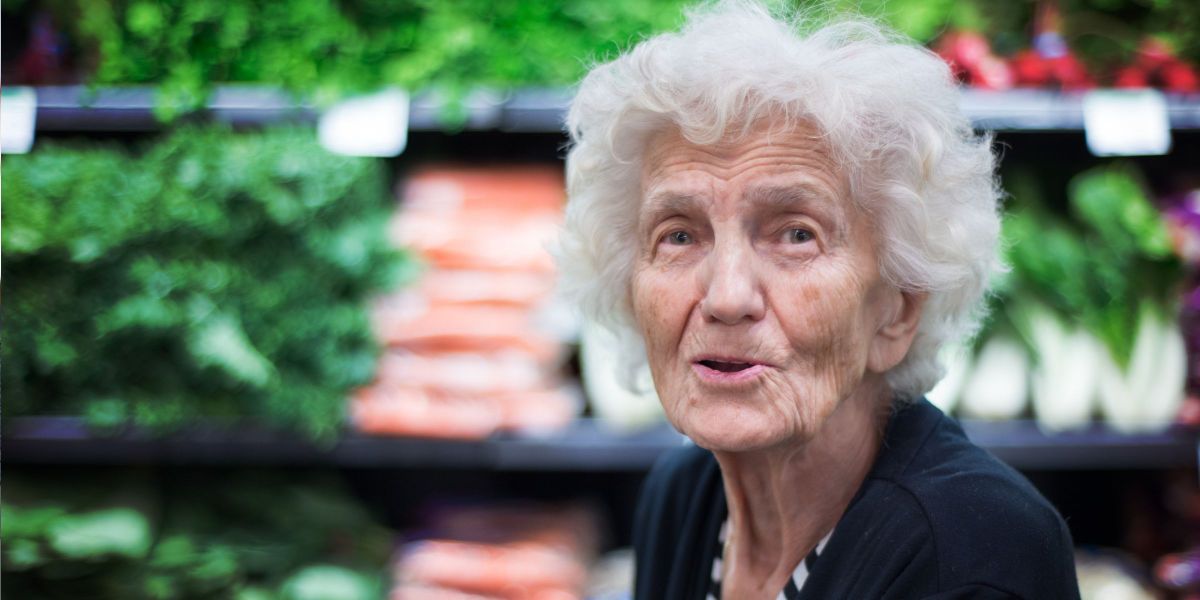
An Orphan Tries to Take Bread from a Grocery Store – The Elderly Owner Sees the Birthmark on Her Neck and Begins to Cry
June 03, 2026



Beige just got a plot twist. Instead of going lighter, it's going murkier — designers are trading crisp whites for moody mushroom and cognac tones, and calling grit the new luxury.
For years, the neutral palette meant one thing: clean. Think spotless white walls, bright trim, surfaces so pure they almost looked untouchable. That was the height of sophistication. Now designers are moving away from that stark white-and-gray formula in favor of something earthier: mushroom, greige, cognac, olive.
They're calling it "dirty neutrals," and the name fits. Unlike a straightforward beige or gray, these colors are harder to classify. They blend brown and gray with subtle undertones that change depending on the light, which gives a room its depth.
Benjamin Moore made the trend official by naming one of these murky tones, Silhouette, its 2026 Color of the Year.
So what actually counts as a dirty neutral? Livingetc color expert Amy Moorea Wong describes them as “hues you’ll find loitering around near the shadows, colors that hang around close to the floor or perhaps lurk long-forgotten in the attic.” While this doesn’t sound flattering, on walls, they look rich and layered. Mushroom, stone, and olive all fall into this category.
The appeal goes beyond the paint chip. According to Chicago-based designer Wendy Labrum, these colors bring warmth and depth without calling too much attention. That quiet quality is what draws homeowners who are tired of chasing sleek minimalism and want something that feels more grounded and real.
Trudy Stump of Huff Harrington Design agrees that neutrals like mushroom, taupe, cognac, and cream are timeless when used thoughtfully, and that a well-applied muddy neutral makes a space feel instantly cozier.
Bailey Ward of Cuvée Home credits some of the trend's momentum to fashion and to British design, where muddy, layered neutrals have long felt effortless.

A home inspired by dirty neutral colors | Source: instagram/jackieglassinc
Styling them well comes down to layering. Because the color itself is subtle, texture becomes the focal point. A plaster finish, a lime-washed wall, an anchoring antique, and textiles that look collected over time rather than brand new all become staples.
Interior designer Nina Lichtenstein takes a similar approach, gravitating toward tones that sit between warm and cool and resist being pinned down.

Swatches of warm and cool neutrals | Source: Pexels
Picking the right shade takes some trial and error. Start with a color you're naturally drawn to, then go for a more muted, matte version of it. Light exposure matters too. The same muddy neutral that looks chic in one room can look drab in another, so it's worth testing a few options before committing.
Ultimately, the trend says less about paint and more about what people want from their homes right now. After years of pursuing spotless, polished interiors, homeowners are craving something that feels more authentic and a little imperfect.
An Orphan Tries to Take Bread from a Grocery Store – The Elderly Owner Sees the Birthmark on Her Neck and Begins to Cry
June 03, 2026

After My Boyfriend Kicked Us Out Into the Cold, My Daughter Collapsed – Then Headlights Appeared in the Darkness
June 02, 2026

5 of Taylor Swift’s Most Bridal-Worthy Looks Over the Years
July 01, 2026

6 Foods That Support Healthy Aging
May 27, 2026

My Son Woke Me at 5 a.m. and Told Me My Husband Was Lowering My Suitcase Into a Hole in the Backyard – When I Looked Outside, He Wasn't Alone
July 30, 2026

I Bought an Old Couch at a Garage Sale – Three Days Later, Someone Tried to Break Into My Apartment for It
May 19, 2026

My Teenage Daughter Always Rushed to the Bathroom After Visiting Her Father's House – One Night, I Followed Her in and Almost Collapsed
May 29, 2026

I Won $89 Million and Told No One — Three Days Later, My Son Said Something That Made Me Realize Why I Had to Keep It Secret
June 03, 2026

My 'Quiet' Neighbor's Apartment Was Leaking Bugs Into Mine – When He Stopped Answering the Door, I Broke It Open and Froze
August 07, 2026

A Single Mother Left Her Baby Alone on the Gym Floor – What the Lead Trainer Did Next Left Everyone in Tears
June 17, 2026

After 34 Years of Being Called 'The Ugly One' at Every Family Reunion, My Aunt Introduced Me to a Stranger as 'The One We Don't Talk About' — Then the Stranger Opened Her Blazer and I Froze
June 18, 2026