
My Daughter-in-Law Demanded $800 Rent to Stay in My Own House — So I Gave Her Exactly What She Asked For
May 29, 2026



We plan our routines, our appointments, even our grocery lists — but emergencies rarely give us the courtesy of notice. Creating a small, ready-to-go kit ensures that when the unexpected happens, you can move confidently instead of scrambling.
As women in our 60s and beyond, many of us have learned the value of being prepared. We have cared for families, maintained homes, and weathered both the expected and unexpected challenges of life.
Still, when it comes to emergencies, it is easy to believe that disasters happen somewhere else, to someone else. Yet anyone who has lived through a storm, a power outage, or even a sudden evacuation knows how quickly things can change.

Emergency items | Source: Pexels
Having a basic emergency kit not only keeps you safer during uncertain moments but also offers the priceless comfort of knowing you are ready for whatever comes your way.
Building an emergency go-bag does not need to be overwhelming. With a few essential items, you can create a kit that serves you and your loved ones well, no matter where you live.

Emergency tools | Source: Pexels
Every member of your household should have their own pre-packed emergency bag. A large dry bag is ideal because it protects your items from the elements and is easy to carry. It also helps keep things organized, dry, and ready to grab at a moment's notice.
Clean drinking water is one of the most important items to store. During emergencies, dehydration can set in quickly, especially in stressful situations or extreme climates. Keeping bottled water or sealed emergency water pouches in your kit ensures you have what you need to stay alert and healthy if regular access becomes limited.

Bottled water | Source: Pexels
Pack foods that do not require cooking and can last a long time. Protein bars, nuts, dried fruits, and canned items like vienna sausage are easy to store and provide quick nourishment. Beyond convenience and shelf life, these foods offer the energy your body needs to stay strong during an emergency. Eating something familiar and comforting can also help calm nerves during stressful moments.

Canned goods | Source: Unsplash
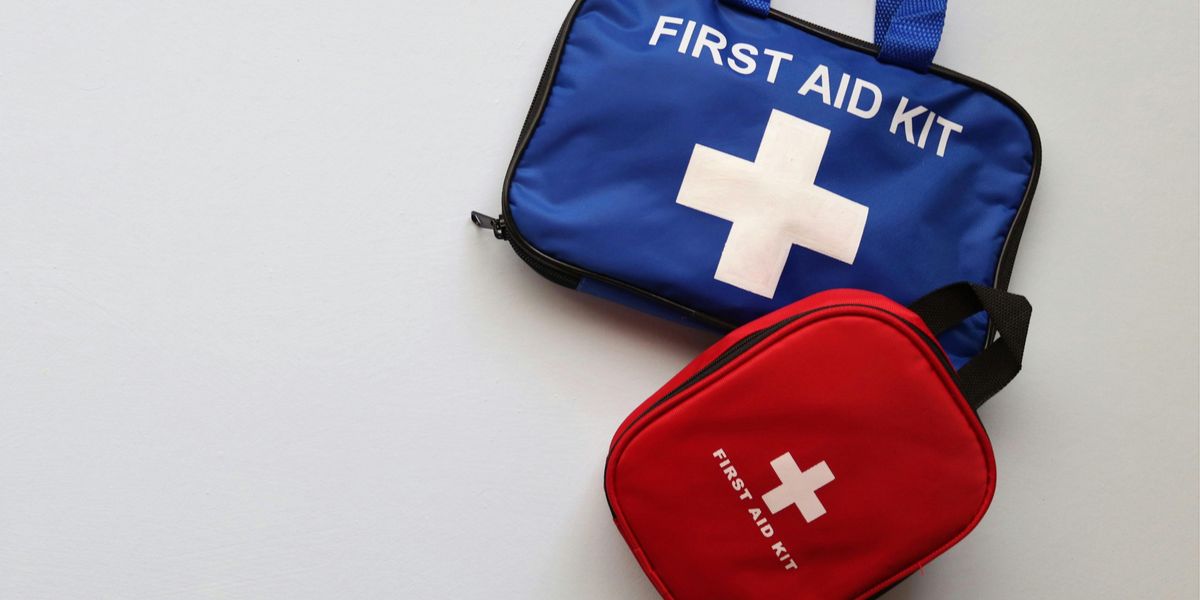
A first-aid kit is more than a box of bandages. To truly prepare, include:
Having these items on hand can prevent minor injuries from becoming serious issues and ensure that anyone with specific medical needs remains protected.

First aid kit | Source: Unsplash
When the lights go out, a flashlight becomes a lifeline. It helps you find your way, read instructions, check surroundings, and even comfort frightened children or grandchildren. Be sure to pack extra batteries so your light source stays reliable throughout the emergency.

Flashlight | Source: Unsplash
An emergency whistle may be small, but it carries a powerful purpose. Double-tubed versions, often made of durable aluminum alloy, can be heard from long distances. They are lightweight, water-resistant, and easy to attach to a lanyard or backpack loop. If you ever need to signal for help, a whistle can be one of the quickest ways to draw attention.
A multipurpose tool can help you handle small but important tasks, from cutting through packaging to tightening a loose screw. In a crisis, the sharp blade or screwdriver attachment may become unexpectedly useful. Beyond practicality, having a reliable tool offers a sense of control and empowerment when situations feel uncertain.

Multipurpose tool | Source: Unsplash
Even in our digital age, smartphones are not always dependable. Batteries drain, networks fail, and service outages happen. A NOAA Weather Radio provides real-time emergency updates directly from experts, even when other communication lines are down. Many models also include alert features that sound automatically if new dangers arise, giving you time to react and stay safe.

Radio | Source: Pexels
A solar-powered power bank keeps your devices running when electricity is unavailable. Many are built with durable materials like silicone rubber and ABS plastic, making them water-resistant, shockproof, and dustproof. Some even include a flashlight. Being able to charge a phone or small device can help you stay connected with family and first responders.
Pack an extra set of clothes to stay dry and warm, especially if you need to leave home quickly. A microfiber or fleece blanket is also valuable in emergencies. It can keep you warm, serve as makeshift bedding, or offer comfort when you are away from home.

Clothes | Source: Pexels
While food and water come first, hygiene is also essential. Include items like wipes, tissues, hand sanitizer, and basic toiletries. Keeping clean reduces the risk of infections and helps maintain a sense of normalcy, which is especially comforting during a stressful time.

Toiletries | Source: Pexels
Keep essential personal documents close and easy to grab in an emergency. Items like identification cards, medical information, and important papers can help verify your identity, access services, and prove ownership when things are uncertain. Having them organized and ready offers one more layer of protection when you need it most.

Important documents | Source: Pexels
Building an emergency kit is not about expecting the worst. It is about making sure you and your loved ones are protected, no matter what life brings. With a few thoughtful additions and a dedicated bag for each person in your household, you can face emergencies with confidence, strength, and peace of mind.
My Daughter-in-Law Demanded $800 Rent to Stay in My Own House — So I Gave Her Exactly What She Asked For
May 29, 2026

My Sister Showed Up With Suitcases and a Spare Key — I Stayed Calm, Then Everyone Saw What Was Really Happening
June 19, 2026

The Great Debate: How Often Should You Shower?
July 19, 2026

The 90-Day Habit That Keeps Your Home Organized Without the Stress
April 21, 2026

6 Smart Decluttering Tricks That Make Your Space Feel Instantly Lighter
April 22, 2026

His Mother Moved in 'For Two Weeks' — Then I Came Home and My Keys No Longer Worked
May 07, 2026

The Lifeguard Helped Me Teach My Husband a Lesson
April 17, 2026

This Simple Laundry Trick Could Cut Your Expenses Significantly
April 27, 2026

Say Goodbye to Indoor Ants and Fruit Flies with These Easy Home Fixes
April 28, 2026

I Bought My Childhood Home at Auction – On My First Night Back, My Mother Called Crying and Said, 'Please Tell Me You Haven't Found the Room Your Father Sealed Off'
May 07, 2026

A Delivery Guy Left a Message on Our Ring Camera That Made Me Fire Our Babysitter – Four Words Saved My Baby
August 07, 2026