
'Bed Rotting' Became a Trend — But Is It Healthy?
July 12, 2026


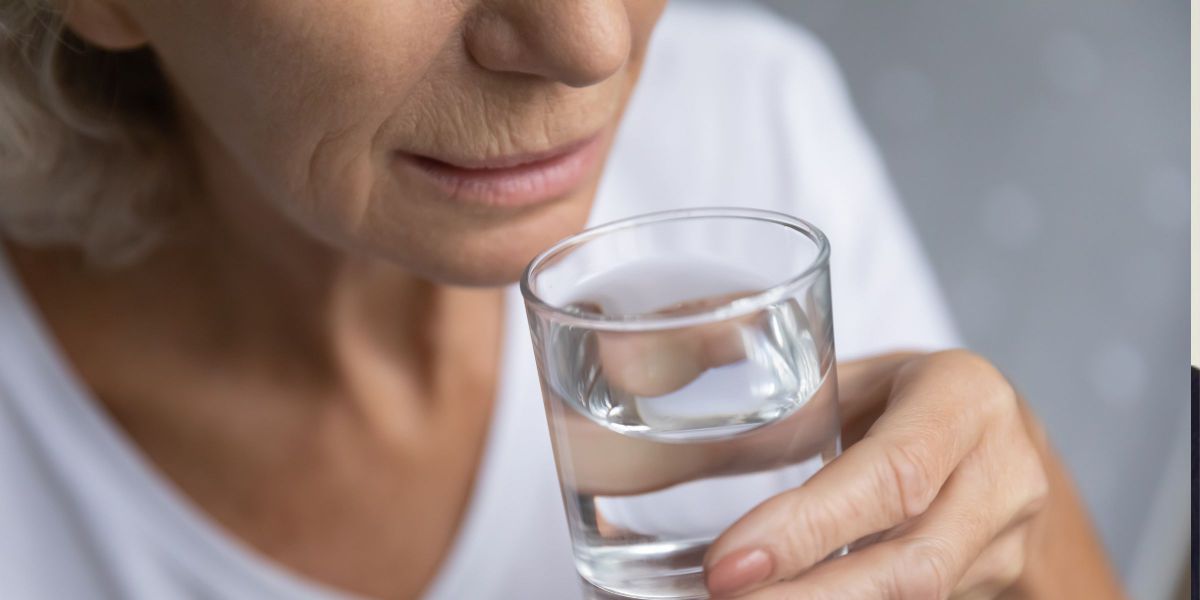

Dehydration is surprisingly common in older adults, even for those who drink water regularly. That’s because aging affects how the body senses, uses, and holds onto fluids — making it easier to fall behind without even realizing it.
If you’re over 60 and still feeling thirsty even after drinking water, you’re not alone. As we age, staying hydrated becomes more challenging — and it’s not just about drinking enough water. Your body actually changes in ways that make it harder to hold onto fluids or even notice when you need them.

Woman drinking a glass of water | Source: Shutterstock
One of the biggest reasons older adults get dehydrated is that the sense of thirst gets weaker over time. You might not feel thirsty until you’re already running low on fluids. That delayed signal can lead to mild dehydration more often than you realize.
Your kidneys also don’t work as efficiently as they used to. As kidney function declines with age, the body has a harder time conserving water.

Woman drinking water from a bottle | Source: Shutterstock
On top of that, many medications taken later in life — like diuretics, laxatives, and blood pressure drugs — can increase how much fluid you lose. Certain health conditions like diabetes or memory issues can also affect hydration habits.
Dehydration doesn’t always show up as dry mouth. Fatigue, dizziness, dark urine, and even confusion can be signs you’re not getting enough fluids. In older adults, dehydration can lead to more serious problems like urinary tract infections, constipation, kidney stones, or even falls due to low blood pressure or dizziness.

A woman fanning herself while lying on the couch | Source: Shutterstock
The good news? You don’t have to overhaul your routine — just make a few small adjustments.
Don’t wait until you’re thirsty. Instead, sip water throughout the day. Keep a glass nearby as a reminder.
Eat water-rich foods. Fruits like watermelon and oranges, or vegetables like cucumbers and lettuce, can help keep you hydrated. Soup and yogurt count too.

An elderly couple enjoying watermelon | Source: Shutterstock
Make drinks more appealing. If plain water isn’t your thing, try herbal teas, flavored water, or low-sodium broth. Just steer clear of sugary drinks and limit caffeine or alcohol, which can dry you out.
Set reminders. Use phone alarms or sticky notes to build the habit, especially if you tend to forget to drink.
Check with your doctor. Some people — especially those with heart or kidney issues — may need to limit fluids. Always ask what’s right for you.

Woman getting medically checked | Source: Shutterstock
Staying hydrated after 60 isn’t just about drinking more water. It’s about paying attention, building small habits, and making hydration part of your daily routine. It’s one of the easiest ways to protect your energy, memory, and overall health as you age.

The information in this article is not intended or implied to be a substitute for professional medical advice, diagnosis or treatment. All content, including text, and images contained on AmoMama.com, or available through AmoMama.com is for general information purposes only. AmoMama.com does not take responsibility for any action taken as a result of reading this article. Before undertaking any course of treatment please consult with your healthcare provider.
'Bed Rotting' Became a Trend — But Is It Healthy?
July 12, 2026

What Your Cravings May Be Telling You About Your Health
May 20, 2026

Why Sundays Can Affect Your Mood More Than You Think — and How to Make the Most of It
June 29, 2026

The Best Time to Shower for Your Health, According to Experts
May 24, 2026
The Great Debate: How Often Should You Shower?
July 19, 2026

Study Finds This Type of Oil May Help Keep Your Brain Healthy
April 30, 2026

How Frequently You Should Be Cleaning These Common Household Items
July 15, 2026

How to Properly Clean Your Dishwasher
April 07, 2026

The Silent Symptoms of Perimenopause Many Women Miss
July 31, 2026

My Father Pushed Me Into the Fountain at My Sister's Wedding — I Smiled and Said 'Remember This Moment.' 20 Minutes Later, My Husband Walked In and They All Froze
June 18, 2026

At My Daughter's 10th Birthday Party at a Water Park, a Woman Took Our Reserved Table – What the Waiter Did Next Made Her Knees Tremble
July 09, 2026