
What Happens to Your Body When You Stop Drinking Alcohol?
June 17, 2026



Strong bones are essential for independence and mobility as we age. While bone density naturally declines over time, everyday habits can make a meaningful difference. Simple lifestyle choices can help protect your strength and reduce the risk of fractures.
Osteoporosis affects one in three women over age 50, making bone health a growing concern with age. Although bone density decreases over time, that does not mean fractures and breaks are inevitable.
With consistent habits and mindful choices, it is possible to support bone strength naturally and reduce risk.

A woman exercising outdoors | Source: Pexels
Both being underweight and overweight can place stress on your bones. Maintaining a healthy weight supports overall bone health as you age. Excess weight may contribute to inflammation and increase the risk of falls, while being underweight may weaken bones. Striking a healthy balance helps protect bone density and stability.

A person standing on a weighing scale | Source: Pexels
Regular movement is one of the most accessible ways to support bone density. Walking consistently, especially reaching 10,000 steps or more per day, is associated with healthier bones compared to walking fewer than 6,000 steps daily. The pace does not matter as much as consistency. Simply keeping your body in motion provides benefits.
If walking is not appealing, other weight-bearing activities such as dancing, climbing stairs, or jumping rope can also help. The goal is to engage in movements that encourage your bones to stay strong through regular use.

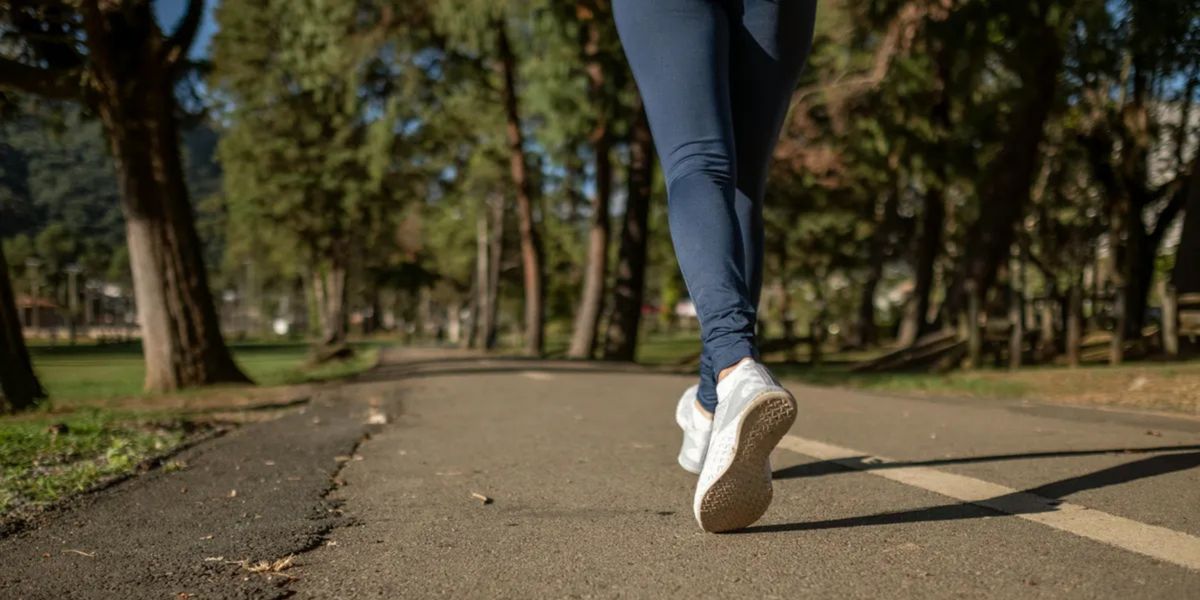
A woman walking outdoors | Source: Pexels
Calcium and vitamin D are widely known for their roles in bone health, but protein is equally important. Adequate protein supports muscle strength, which plays a critical role in preventing falls. A lack of protein can weaken muscles, increase the risk of falling, and make recovery from fractures more difficult.
Ensuring sufficient protein intake, alongside calcium and vitamin D, helps create a stronger foundation for both bones and muscles.

A slice of steak | Source: Pexels
Excessive alcohol consumption can interfere with the body’s ability to absorb calcium. Since calcium is essential for maintaining bone density, limiting alcohol intake can help preserve bone strength. Reducing alcohol consumption is a practical step toward supporting long-term skeletal health.

People holding glasses of wine | Source: Pexels
Leafy greens offer nutrients that support bone maintenance. Low-oxalate options such as kale, Chinese kale, and bok choy are especially beneficial because their calcium is more easily absorbed by the body compared to many other plant-based foods.
These vegetables also contain magnesium and vitamin K, which contribute to daily bone repair and the maintenance of strength. Including a variety of leafy greens in your meals can provide steady nutritional support.

A person slicing a piece of bok choy | Source: Pexels
Bone density may decline with age, but everyday choices can help counteract that process. Maintaining a healthy weight, staying active, consuming enough protein, limiting alcohol, and incorporating nutrient-rich leafy greens into your diet all contribute to stronger bones. By making these habits part of your routine, you can take meaningful steps toward preserving mobility and independence.
What Happens to Your Body When You Stop Drinking Alcohol?
June 17, 2026

Why Muscle Strength Becomes More Important Over Time
March 18, 2026

6 Foods That Support Healthy Aging
May 27, 2026

The Importance of Staying Mentally Active — and How to Do It
March 16, 2026

5 Simple Daily Habits That Help Lower Stress Levels
March 17, 2026

How to Protect Your Joints Without Giving Up the Activities You Love
March 04, 2026

10 Science-Backed Health Benefits of Walking Every Day
June 01, 2026

Study Finds This Type of Oil May Help Keep Your Brain Healthy
April 30, 2026

Jennifer Aniston Reveals Daily Habit Behind Her Use of Collagen Powder
April 22, 2026
Everyday Habits That Help Maintain Good Circulation
March 14, 2026

5 Science-Backed Ways to Keep Your Brain Young
March 08, 2026