
The Best Time to Shower for Your Health, According to Experts
May 24, 2026


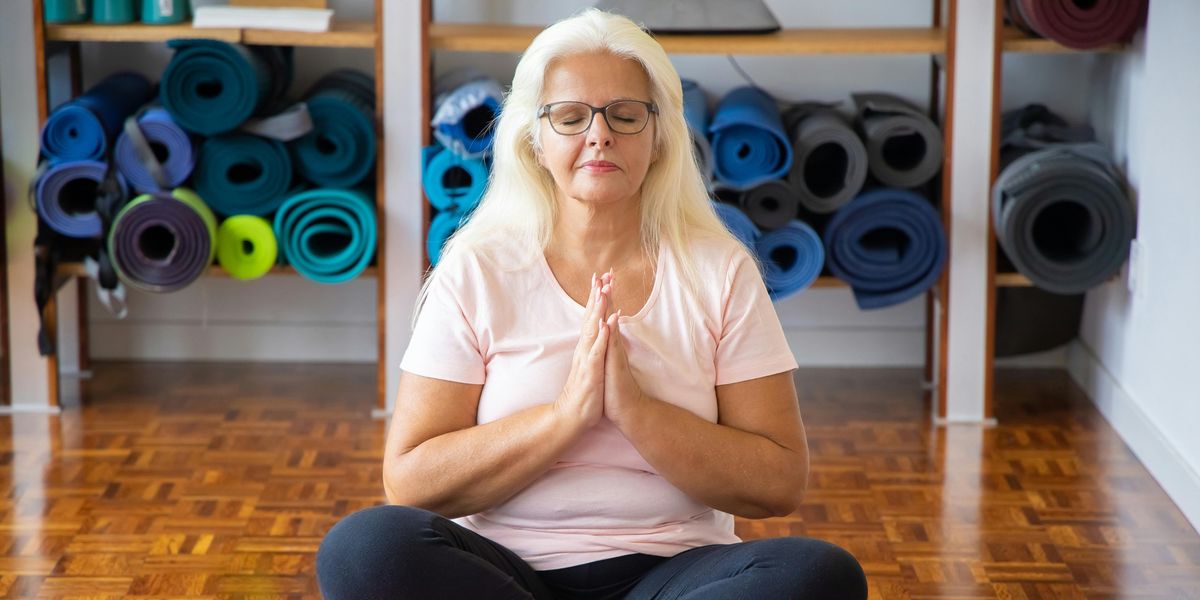

Life rarely slows down on its own, which is why self-care cannot be treated as an afterthought. When stress piles up and responsibilities compete for your attention, having simple, intentional ways to care for yourself can make the difference between feeling depleted and feeling grounded.
Self-care involves deliberate actions that support your overall well-being, including your physical, mental, and emotional health. Understanding the different types of self-care and how they work together can help you build a balanced, realistic routine that actually fits into your life.

Self care isn't selfish | Source: Pexels
Below are five essential types of self-care you need in your life, along with simple ways to practice each one:
Physical self-care focuses on taking care of your body so it can function at its best. This includes exercise, a healthy diet, proper hydration, access to health care, and getting enough sleep. While these habits may sound basic, they are often the first to suffer when life gets busy.
Something as simple as drinking more water can have a noticeable impact. Your body relies on fluids to regulate temperature, transport nutrients, and support energy levels. If plain water feels boring, adding thinly sliced cucumbers can make it more appealing. Cucumbers are made up of about 95% water and contain electrolytes, turning an everyday glass of water into a refreshing, spa-like treat.
Another quick physical reset is taking a cold shower. After showering with warm water, switching to cold for 30 seconds can give you a burst of energy. The sudden temperature change boosts circulation as your body works to conserve heat, helping you feel more alert and refreshed.

A woman drinking water | Source: Pexels
Mental self-care supports your cognitive and psychological well-being. It includes activities like spending time in nature, enjoying hobbies, learning new things, practicing meditation or mindfulness, and seeking therapy when needed.
Mindfulness is one of the most accessible forms of mental self-care. It does not require expensive equipment or hours of free time. You can practice it by attending a yoga class, using a meditation app, or simply taking a few slow, deep breaths during a stressful moment. These small pauses help calm your mind and reduce mental overload.
Creative activities also play a powerful role in mental self-care. Making something with your hands, whether it is drawing, painting, crafting, or working on a DIY project, has been shown to reduce anxiety. The act of creating lowers the stress hormone cortisol and promotes a sense of calm and focus.

A woman jogging outdoors | Source: Pexels
Emotional self-care involves acknowledging, expressing, and managing your feelings in healthy ways. This can include setting boundaries, talking openly about your emotions, and doing things that genuinely make you happy.
Counting your blessings is a simple but effective emotional self-care practice. Research shows that practicing gratitude can boost happiness and positive emotions. People who regularly acknowledge what they are thankful for may also experience better sleep and lower levels of depression and anxiety. Taking a moment each day to reflect on what is going well can shift your emotional outlook over time.

A woman writing on her journal | Source: Pexels
Social self-care centers on nurturing relationships and maintaining healthy connections with others. This includes spending time with people you love, volunteering, and cultivating supportive interpersonal relationships.
Physical touch plays an important role here. Research suggests that hugs, handshakes, and massage can improve well-being while reducing pain, depression, and anxiety. Physical touch also lowers cortisol, the body’s primary stress hormone. A simple hug from someone you trust can provide comfort and reassurance when you need it most.

A woman eating with a friend | Source: Getty Images
Spiritual self-care focuses on finding meaning, purpose, and connection. This can involve reflecting on your values, engaging in religious practices, expressing gratitude, or connecting with nature.
Spiritual self-care does not have to be tied to religion. For some, it is about quiet reflection or spending time outdoors. For others, it means prayer or journaling about what matters most. These practices help you reconnect with yourself and provide a sense of direction during challenging times.

A woman meditating outdoors | Source: Pexels
Self-care does not need to be elaborate, expensive, or time-consuming. Whether it is drinking more water, taking a few deep breaths, hugging someone you love, or making something with your hands, small actions can have a meaningful impact. A solid self-care routine helps you keep it together, at least most of the time, and reminds you that taking care of yourself is not a luxury but a necessity.
The Best Time to Shower for Your Health, According to Experts
May 24, 2026

New Study Says Coffee May Help Reduce Anxiety — but Only at This Amount
June 26, 2026

'Bed Rotting' Became a Trend — But Is It Healthy?
July 12, 2026

10 Science-Backed Health Benefits of Walking Every Day
June 01, 2026

Foods That Help with Bloating
July 03, 2026

Experts Share Practical Ways to Ease the Mental Burden of Keeping Your Home Clean
May 12, 2026

5 Signs of Anxiety in Men You're Probably Missing
August 24, 2026

The Silent Symptoms of Perimenopause Many Women Miss
July 31, 2026

Doctors Are Warning Against These Vitamin Combos — Here’s What You Should Never Mix
May 07, 2026

Do You Have Revenge Bedtime Procrastination? — What You Need To Know
July 04, 2026

Magnesium Benefits Every Woman Should Know
May 26, 2026