
Tips for Dating After Divorce According to Experts
June 22, 2026


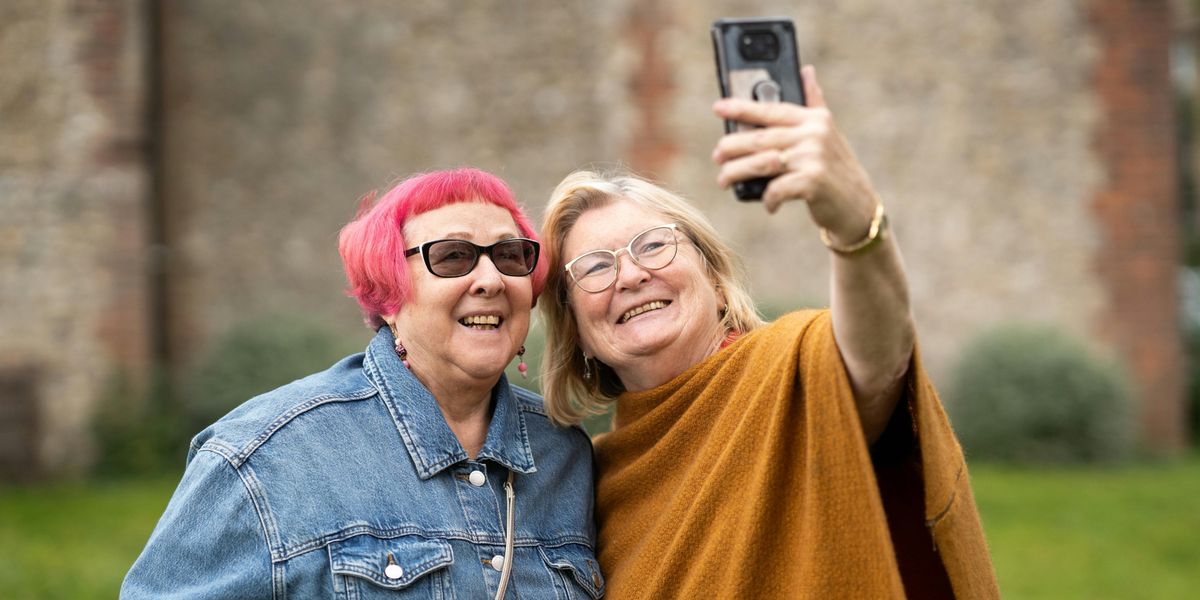

Staying social in later life isn’t about being the busiest person in the room — it’s about having people who make you feel seen, supported, and included. And as it turns out, those everyday connections may do more for your health than many people realize.
Staying social in later life isn’t about being the busiest person in the room — it’s about having people who make you feel seen, supported, and included. And as it turns out, those everyday connections may do more for your health than many people realize.
Even for people who enjoy their own company, long stretches of being alone can start to feel heavy. As routines change and circles shift, connection can quietly fade — and that can affect wellbeing in ways that go far beyond mood.

A group of friends | Source: Pexels
Growing older often brings changes that make socializing more complicated. Hearing or vision loss can make conversations tiring, while memory issues may leave someone less confident about joining in.
Mobility challenges, disability, or trouble getting around can also limit opportunities to meet people. Add in the loss of family members and longtime friends, and it’s easy to see why loneliness and isolation can become more common over time.

A couple dancing outdoors together | Source: Pexels
Researchers have linked loneliness and social isolation to higher risks for serious health issues, including heart disease, depression, and cognitive decline. That’s part of why experts increasingly treat social connection as a health issue — not just a lifestyle preference.
In 2023, the U.S. Surgeon General issued an advisory describing social isolation as a public health concern, especially for older adults. The advisory also pointed to research showing that maintaining strong social networks supports healthier aging.

A woman carrying her dog at a social function | Source: Pexels
Strong relationships don’t just make life feel richer — they can support the body in practical ways. Long-term studies suggest people with meaningful social connections may have a lower risk of early death compared to those who feel isolated, showing how powerful community can be for longevity.
Social support is also linked to heart health. When loneliness becomes chronic, it can raise the risk of heart problems, while high-quality relationships may help lower the odds of developing heart disease.

A group of friends celebrating together | Source: Pexels
Those connections can matter for chronic conditions, too. Building a wider circle has been associated with protection against complications tied to type 2 diabetes and related risks like heart attacks and kidney disease.
Your brain may benefit as well. Chronic loneliness and social isolation in older adults have been associated with about a 50% higher risk of developing dementia, while regular contact can help keep the mind active through conversation, memory, and everyday problem-solving.

Friends posing for a photo together | Source: Pexels
Friendship can be a powerful stress-buffer. When you have people you can talk to, daily worries often feel more manageable — and over time, that may reduce the long-term physical toll stress can take.
Staying connected also helps protect mental health. Adults who report feeling lonely are more than twice as likely to develop depression compared with those who rarely or never feel lonely, which is one reason steady connection can be so important.
Social bonds may even help the body stay stronger. People who feel supported tend to cope better when they get sick and may be less likely to become seriously ill, highlighting how emotional support and physical health can overlap.

Two couples posing together by the beach | Source: Pexels
Some people find it easy to make new friends at any age, while others find it harder — especially after decades of relying on the same small circle. But connection isn’t a personality trait you either have or don’t have; it’s something you can practice and build.
If you live in a senior living community, you may already have built-in ways to meet others who share your interests. If you don’t, similar opportunities exist through your neighborhood, faith community, local recreation centers, hobby groups, and volunteer programs.

A group of friends hanging out together at home | Source: Pexels
Start by stepping a little outside your comfort zone. Being willing to share small pieces of your story — and asking open-ended questions while truly listening — can help conversations move from polite to personal.
It also helps to show up regularly. Many friendships begin through repeated, familiar contact, and it’s common to discover surprising connections once you start talking — mutual acquaintances, shared neighborhoods, or overlapping communities.
Look for groups built around common interests. Clubs, book circles, classes, and community programs make it easier to bond naturally, and if nothing fits, starting something simple like a monthly coffee meet-up can work just as well.

Friends gathered at a dinner party | Source: Pexels
Finally, give it time. You don’t have to connect with everyone, and you won’t leave one gathering with instant best friends — but familiarity builds warmth, and consistent effort matters more than a perfect first impression.
Tips for Dating After Divorce According to Experts
June 22, 2026

5 Mistakes People Make When Decorating in Threes
September 05, 2026

I never told my eight-year-old daughter that I worked as a judge, and her school didn’t know either.
May 14, 2026

Do You Have Revenge Bedtime Procrastination? — What You Need To Know
July 04, 2026

What Happens to Your Body When You Stop Drinking Alcohol?
June 17, 2026

Are Plastic Food Containers Safe? Experts Share the Best Alternatives
August 16, 2026

My Daughter-in-Law Demanded $800 Rent to Stay in My Own House — So I Gave Her Exactly What She Asked For
May 29, 2026

6 Foods That Support Healthy Aging
May 27, 2026

I Trained Three Poor Brothers for Free – Years Later, Three Luxury Cars Stopped Outside My Run-down Home
May 25, 2026

The Last Video on a Stranger's Phone Broke My Heart – So I Decided to Find Him
May 21, 2026

What to Do in Your First Month of Retirement (Plus, the Hobbies That Help)
September 11, 2026