
5 Mistakes to Avoid While Charging Your Gadgets
July 27, 2026


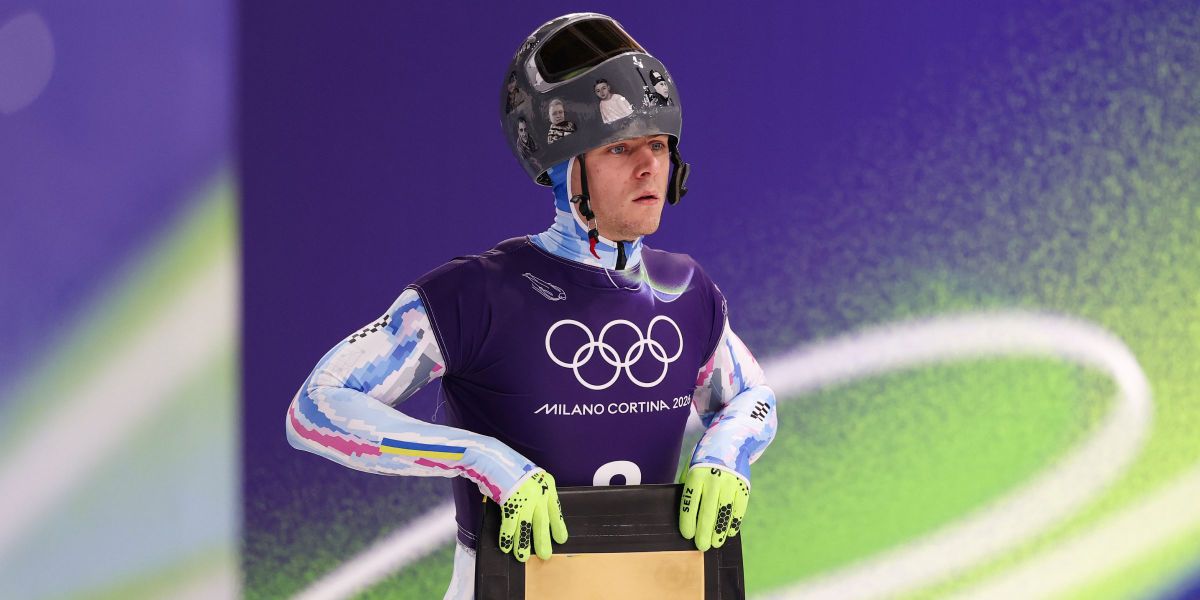

It was meant to be a quiet act of remembrance — a solemn tribute carried into the icy glare of Olympic competition. Instead, it has exploded into a global controversy.
Ukrainian skeleton racer Vladyslav Heraskevych has been barred from wearing a helmet honoring athletes from his war-torn homeland who were killed during Russia's invasion.
The International Olympic Committee (IOC) ruled that the tribute violates the Olympic Charter — a decision handed down during the Winter Games in Cortina d'Ampezzo, Italy. And now, what began as a memorial has become a bitter debate over politics, patriotism, and the price of dignity.
The IOC confirmed that Vladyslav will not be allowed to compete in the helmet. Officials said the design goes against Rule 50.2 of the Olympic Charter. That rule states, "No kind of demonstration or political, religious or racial propaganda is permitted in any Olympic sites, venues or other areas."
The helmet, already known as the "helmet of remembrance," features the faces of Ukrainian athletes who died during the nearly four-year Russian invasion.
Vladyslav wore it during training runs at the Cortina Sliding Center, gliding down the track with their images emblazoned above him. But Olympic officials drew the line.

Vladyslav Heraskevych during Men's Training Heat 4 on February 10, 2026 in Cortina d'Ampezzo, Italy | Source: Getty Images
Despite the ruling, the IOC said Vladyslav may wear a plain black armband during competition. Mark described the decision as a compromise. He said the IOC understands the desire to honor those who lost their lives.
Ukraine's Olympic Committee had sent a letter to the IOC asking for permission for Vladyslav to train and compete in the helmet. The letter said the helmet meets all safety standards and IOC regulations, contains no advertising, political messaging, or discriminatory content, and was verified as compliant during official training sessions.

A detail view of the helmet worn by Vladyslav Heraskevych on day four of the Milano Cortina 2026 Winter Olympic games at Cortina Sliding Centre on February 10, 2026 in Cortina d'Ampezzo, Italy | Source: Getty Images
According to Mark, the IOC received the letter on Tuesday morning. Officials also held an informal meeting the night before with Vladyslav's coach and the Ukrainian delegation. Still, the answer was no.
Vladyslav continued to wear the helmet during a training run later that day — a quiet act of defiance on the frozen track. Speaking at an outdoor news conference by the Olympic rings in Cortina d'Ampezzo, he made his stance heartbreakingly clear.
"I believe they deserve to be with me on competition day. I used it yesterday [at training], I used it today [at training], I will use it tomorrow, and I will use it on race day," he said.
The images on the helmet include figure skater Dmytro Sharpar, who was Vladyslav's teammate at the 2016 Youth Olympic Games, and boxer Maksym Halinichev. Both were killed during the war. Some of the athletes honored were Olympians — young lives cut short far from the stadium lights.
Ukraine's President Volodymyr Zelenskyy also spoke out, amplifying the controversy far beyond the sliding track. In a post on X, he described the athletes featured on the helmet.
He also thanked Vladyslav for bringing attention to their stories. "I thank the flag bearer of our national team at the Winter Olympics, Vladyslav Heraskevych, for reminding the world of the price of our struggle," Volodymyr said.
After the IOC's decision, Vladyslav shared a brief yet powerful message on X, along with a picture of himself. "This is the price of our dignity," he wrote.
The fallout struck even closer to home. His father and coach, Mykhailo Heraskevych, was seen in an emotional image on Instagram — a devastating snapshot of a man overcome with grief.
In the photo, he covers his face with his hands and cries after learning that his son had been disqualified from wearing the helmet.
Online, emotions surged. "Honor is everything," one person wrote. "Beautiful way to remember all who have passed," another commenter said. "Genuinely brave soul," a third person stated. "It's a memorial, not a political statement," one person added.

Mykhailo Heraskevych reacts after his son was disqualified from the Milano Cortina 2026 Winter Olympic Games in Cortina d'Ampezzo on February 12, 2026 | Source: Getty Images
As the Winter Olympics continue in Cortina d'Ampezzo, the focus remains on the athlete's tribute and the rule that stopped him from wearing it. At the heart of the issue is a helmet meant to honor fallen teammates — and a painful question: Does remembrance cross the line into protest?
5 Mistakes to Avoid While Charging Your Gadgets
July 27, 2026

Grow These 5 Fruits at Home for Fresh Harvests Year-Round
July 28, 2026

Foods That Support Better Skin Naturally
June 18, 2026

Red Flags in Modern Dating According to A Psychologist
June 21, 2026

Tips for Dating After Divorce According to Experts
June 22, 2026

The Viral Lip Peptide Craze Explained — Here’s Why Everyone Is Obsessed
June 25, 2026

New Study Says Coffee May Help Reduce Anxiety — but Only at This Amount
June 26, 2026

Why Sundays Can Affect Your Mood More Than You Think — and How to Make the Most of It
June 29, 2026

Foods That Help with Bloating
July 03, 2026

Do You Have Revenge Bedtime Procrastination? — What You Need To Know
July 04, 2026

Why Working From a Coffee Shop May Be Better for You Than Working From Home
June 30, 2026