
My 14-Year-Old Son Spent His Last Money on New Sneakers for His Teacher – When the Sheriff Showed Up, I Had No Idea What Was Coming
April 28, 2026



Online shopping makes it easy to find great deals and order products from the comfort of home. But convenience can also come with risks. Knowing how to spot trustworthy retailers, protect your information, and recognize scams can help you shop online with greater confidence.
Ordering items online has become part of everyday life. With just a few clicks, shoppers can compare prices, read reviews, and purchase products without leaving home. While the convenience is appealing, the internet can also make it easier for scammers to take advantage of unsuspecting buyers.
Taking time to research retailers and protect your personal information can make online shopping far safer. Simple habits such as checking website security, choosing safe payment methods, and monitoring financial accounts can help prevent problems before they happen.

A person using their credit card to purchase online | Source: Pexels
One of the easiest ways to reduce risk is to buy directly from official websites or well-known retailers. Established stores typically have clear return policies, secure payment systems, and customer support if something goes wrong.
Be cautious when visiting unfamiliar websites that advertise prices that seem unusually low. Deals that look too good to be true often are. Comparing prices across several stores can help you understand what an item normally costs and recognize suspicious offers.

The icon of the Amazon app | Source: Pexels
It is also important to check the web address carefully. Some fraudulent websites copy the look of real stores and use similar web addresses. For example, a site like “amazon_deals.co” might appear legitimate at first glance. Reviewing the full website address can help you avoid these imitation sites.
Another key step is confirming that the website is secure before entering any information. Secure sites usually begin with “https://” and display a padlock icon in the address bar.

A person browsing ebay | Source: Pexels
Sharing personal information online should always be done carefully. Reputable retailers usually request only the details needed to process an order and ship the product. If a site asks for more personal information than expected, it may be best to shop elsewhere.
Using a credit card can provide stronger protection against fraud than other forms of payment. Credit card companies often make the dispute and refund process easier if a purchase turns out to be fraudulent.

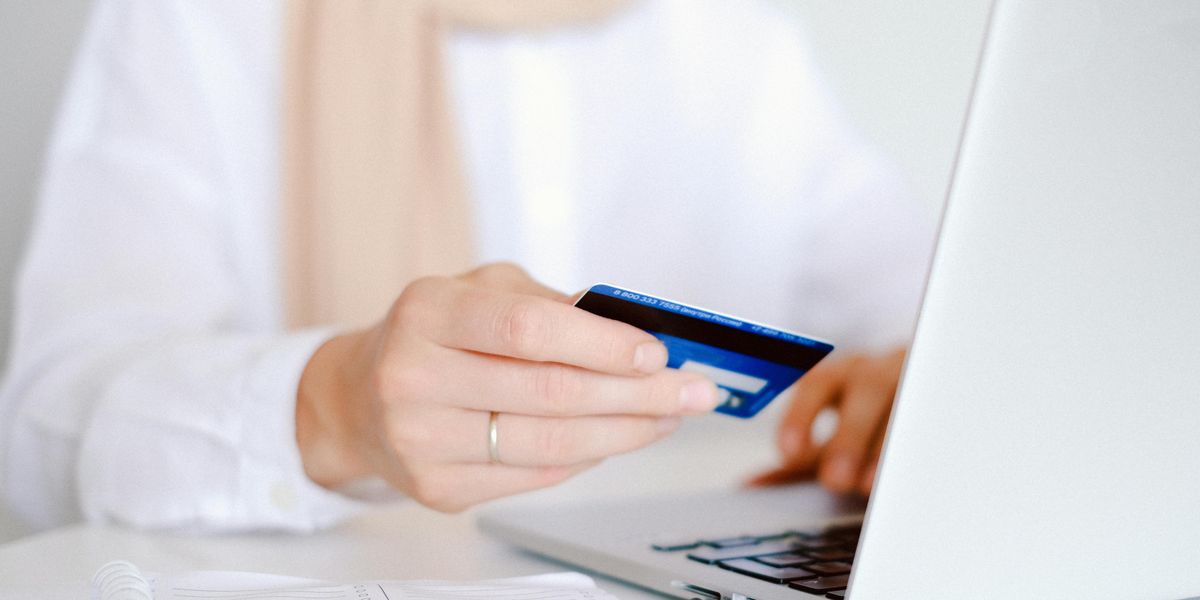
A person holding on to their credit card | Source: Pexels
Debit cards, on the other hand, are connected directly to your bank account. If someone gains access to your debit card information, funds can be withdrawn immediately, which may make resolving the issue more complicated.
Payment requests can also reveal potential scams. If a retailer refuses to accept major credit cards and instead asks for payment through services such as Zelle, Cash App, or cryptocurrency, that should raise concern.
Keeping your accounts secure is another important step when shopping online. Each account should have a strong, unique password. Experts recommend using passwords that are at least 16 characters long.
Using the same password for multiple accounts increases the risk that a single data breach could expose several accounts at once. Many people rely on password managers to store and organize their passwords securely.

A person browsing her phone | Source: Pexels
Enabling multifactor authentication can add another level of protection. With this feature, logging in requires a second verification step, such as a code sent by text message or email.
Keeping your devices updated also plays a role in online safety. Software updates and security patches help fix vulnerabilities that cybercriminals may try to exploit.

A stack of credit cards | Source: Pexels
Scammers often rely on emails, text messages, or advertisements to attract victims. Messages that promote unbelievable discounts or ask for personal information should always be treated with caution.
Delivery scams are also common. Some messages claim to be from shipping companies such as USPS, FedEx, UPS, or DHL and ask for tracking numbers, payments, or additional delivery fees.

A stack of delivery parcels | Source: Pexels
Legitimate shipping companies do not charge extra fees for items that have already been ordered online. If there is a delivery question, it is best to check directly with the retailer.
Suspicious emails or texts should be reported to your email provider or IT team.

An advertisement for free delivery | Source: Pexels
Social media platforms can make shopping feel quick and convenient, but they can also attract scammers. Fake ads and accounts may promote products that do not exist or lead buyers to phishing websites.
Before purchasing through social media, take time to review the seller. Check whether the account is verified and look at the history of posts and activity.

Two friends using their phones | Source: Pexels
It is also helpful to confirm that the seller has a legitimate website with clear contact information. Reading reviews can provide additional insight, but shoppers should look carefully to see whether reviews appear authentic and consistent.
If something about the offer seems unusual or suspicious, it is best not to click the link or continue communicating with the seller.

A seller showing off her item | Source: Pexels
Even after completing a purchase, it is important to stay alert. Regularly checking bank and credit card statements can help you identify unauthorized charges quickly.
Many financial institutions allow customers to set up transaction alerts. These notifications can provide early warning if unusual activity occurs.

A woman calculating her expenses | Source: Pexels
Online shopping can be convenient, efficient, and enjoyable when done safely. By choosing trusted retailers, protecting personal information, securing accounts, and watching for scams, shoppers can reduce risks and feel more confident about their purchases.
A few careful habits can go a long way toward making online shopping both safe and stress-free.
My 14-Year-Old Son Spent His Last Money on New Sneakers for His Teacher – When the Sheriff Showed Up, I Had No Idea What Was Coming
April 28, 2026

"Rachel Is Sick, Dinner Is Off," My Son Told Me — Hours Later I Found Them Toasting Without Me And Revealed Their Secret Plan
June 19, 2026

My Daughter-in-Law Walked In Demanding My Grandchildren's Trust Fund — I Said Nothing, Went Straight to My Lawyer, and Left Her Speechless
June 19, 2026

My Son Sat in My Kitchen, Tapped the Table Like He Was Closing a Deal, and Said My Pension Would Go to His Account — What I Did Next Left Him Speechless
May 22, 2026

On their golden anniversary, Michael took the microphone and said, "I haven't loved you these past 50 years." Valerie didn't cry. When she asked to reply, even the waiters stopped breathing.
June 01, 2026

"Must be nice having money while your family struggles," my sister sneered. Three days later, Dad messaged: "Help her or don't bother coming home." What I discovered next changed everything.
June 02, 2026

My Son Asked Me to Sell My Home and Raise His Kids for Free — What I Found Out About Their Secret Plan Made My Blood Run Cold
June 12, 2026

My mother planned to seize my $45 million trust fund the morning of my 18th birthday. I sealed it a few hours before she slid the folder across the kitchen island with a smile and said: "We need to talk about that money."
June 11, 2026

My Boyfriend Proposed After Just 4 Months of Dating – When I Found Out Why, My Knees Buckled
March 24, 2026

The Old Jacket I Bought for $20 Turned Out To Be Hiding A Shocking Private Matter
May 22, 2026

A Letter from My Former Secret Love Arrived After 25 Years of Silence – I Wished I Had Never Opened It
May 22, 2026