
The Best Time to Shower for Your Health, According to Experts
May 24, 2026


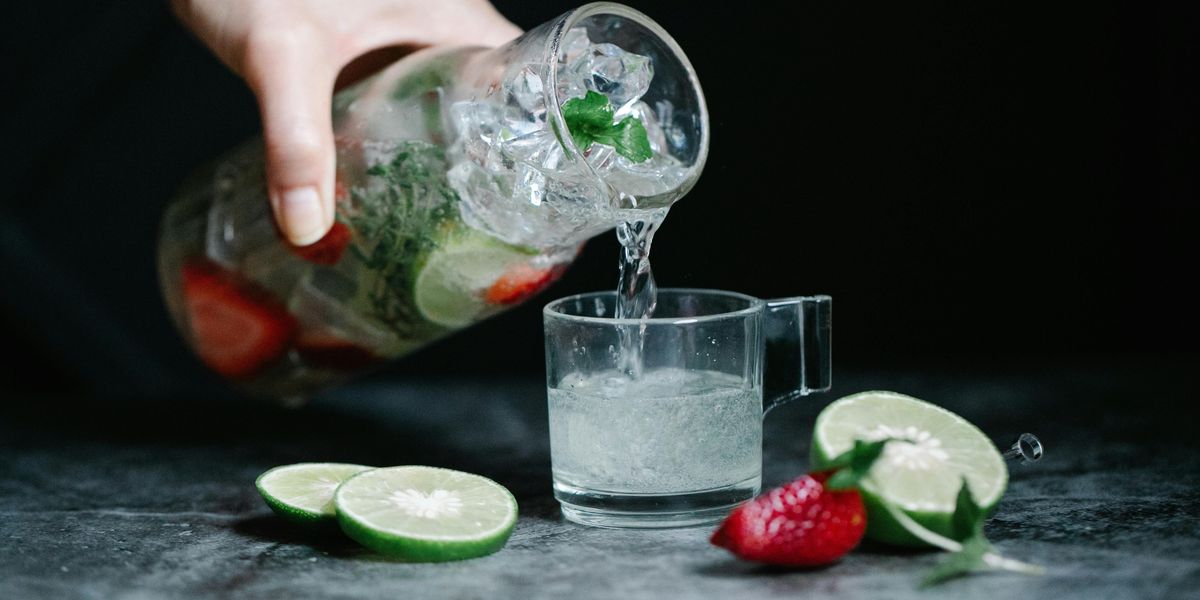

Hydration affects more than thirst — it supports how clearly you think and how comfortably you move. Keeping water intake steady can help, especially as thirst signals become less reliable with age.
Your brain is strongly influenced by your hydration status. That’s important because dehydration doesn’t have to be extreme to cause a problem.

Drinking water | Source: Pexels
Studies show that even mild dehydration, such as the loss of 1–3% of body weight, can impair many aspects of brain function. In everyday life, mild dehydration may happen more easily than people realize — especially on busy days, in warm weather, or when you’re more active than usual.
While hydration isn’t the only factor that affects how sharp you feel, water supports the basic processes your body depends on to keep you going. When you’re not drinking enough, even mild dehydration can drain your energy and make you tired. If you’ve ever felt sluggish, foggy, or simply “off,” it may be a sign to check in with your water intake and build a steadier hydration routine.

A woman drinking water after exercising | Source: Pexels
If you think of hydration only as something that affects your stomach or your temperature, your joints might surprise you. One of water’s important jobs is that it lubricates and cushions joints. That matters for daily movement — whether you’re walking the dog, climbing stairs, gardening, or simply getting up from a chair.
Joints are meant to glide and bend smoothly. When your body has the water it needs, it can better support that cushioning and lubrication process. Over time, consistent hydration can help you feel more comfortable as you move through your day — and it’s one of the simplest habits to maintain.

A woman comfortably running by the beach | Source: Pexels
Even beyond the brain and joints, water helps keep key systems running steadily. For example, water gets rid of wastes through urination, perspiration and bowel movements, keeps your temperature normal, and protects sensitive tissues.
These may sound like basic functions, but they’re the kinds of “background” jobs that affect how good (or not so good) you feel. When water intake drops, your body has a harder time doing what it’s supposed to do — which can show up as fatigue, discomfort, or reduced day-to-day stamina.

A woman drinking water from her water bottle | Source: Pexels
A common question is: How much is enough? Most people need about four to six cups of plain water each day. But it may be surprising to learn that water intake is an individualized number.
That general four-to-six cup guideline is for generally healthy people, and your personal needs may be different. Your total water intake depends not only on what you drink but also on how much water you get from food and other beverages. In addition, certain factors can raise your needs or change how your body handles fluids.

A glass of water | Source: Pexels
Some situations call for more plain water, while others call for extra attention and medical guidance:
Activity level: If you’re losing water through sweat because you’re exercising, you should increase your water intake. Individuals participating in long stretches of physical activity, such as marathons, often need to replace both water and sodium losses.
Outside temperatures: You should adjust your water level when the temperatures soar outside. In warmer temperatures, you might feel thirstier faster.
Overall health and medications: It’s possible to take in too much water if you have certain health conditions, such as thyroid disease or kidney, liver, or heart problems; or if you’re taking medications that make you retain water, such as nonsteroidal anti-inflammatory drugs (NSAIDs), opiate pain medications, and some antidepressants.
Age: Older people don’t sense thirst as much as they did when they were younger. And that could be a problem if they’re on a medication that may cause fluid loss, such as a diuretic.

A woman about to take a sip of water while talking to somebody | Source: Pexels
Instead of trying to “catch up” all at once, aim for steady hydration throughout the day. Small habits help — like drinking a glass of water in the morning, having water with meals, and taking a few sips whenever you take a break. If you’re active or it’s hot outside, be especially mindful of replacing what you lose.
As there’s no one-size-fits-all answer and water intake is individualized, you should check with your doctor about the right amount for you. That’s especially important if you have a medical condition or take medications that affect how your body handles fluids.

A glass of water | Source: Pexels
Staying hydrated won’t fix everything overnight — but it supports the basic building blocks of how your body functions, including how clearly your brain works and how comfortably your joints move. And that’s a health habit worth keeping.
The Best Time to Shower for Your Health, According to Experts
May 24, 2026

What Happens to Your Body When You Stop Drinking Alcohol?
June 17, 2026

Foods That Help with Bloating
July 03, 2026

Skincare Tips For Women in Their 40s
August 01, 2026

Magnesium Benefits Every Woman Should Know
May 26, 2026

Flossing Benefits: Why Dentists Say It's About More Than Just Your Teeth
August 25, 2026

5 Mistakes People Make When Decorating in Threes
September 05, 2026

'Bed Rotting' Became a Trend — But Is It Healthy?
July 12, 2026

Beach Safety: Sunburn, Rip Currents, and the Theft Risk No One Warns You About
August 28, 2026

10 Signs You Might Be Overtraining
July 11, 2026

Healthy Foods That Don't Spoil Easily
July 16, 2026