
My Mom Forbade Anyone to Enter the Cellar, Then Let Me Unlock It Just Before She Died

By
Rita Kumar
Jan 20, 202609:33 A.M.
My mom forbade anyone from entering the cellar my entire life. Not me, not my dad, not anyone. Then, two days before she died, she pressed a key into my palm and whispered, "Only you. Only now. Before I go." What I found down there broke my heart and made me understand why some doors stay locked.
Advertisement
I'm 41 now, and I still dream about that cellar door.
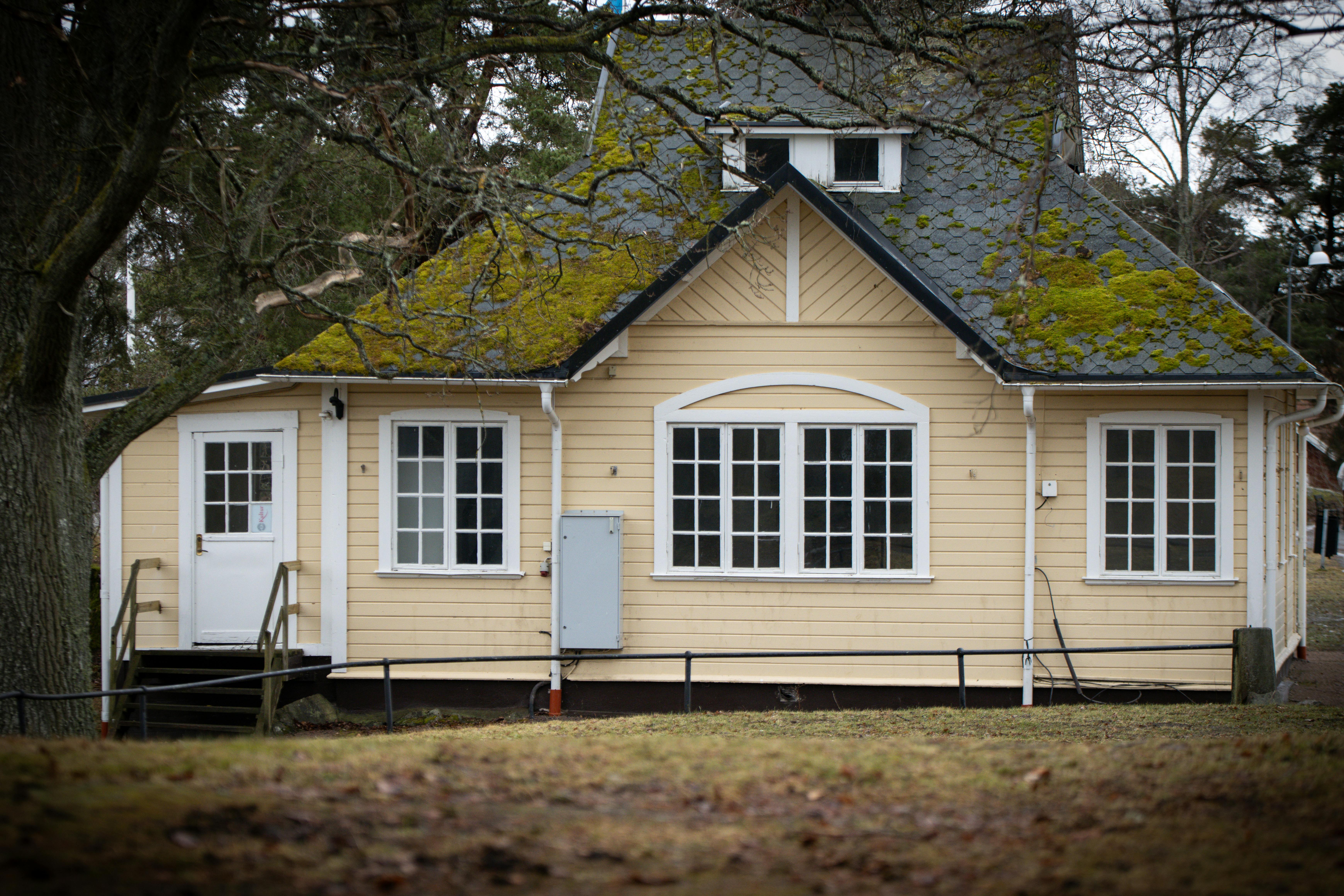
Growing up in our old stone house in Pennsylvania, there was one rule that never bent, never broke, and never got questioned: "Never open the cellar."
Nobody was allowed near it. Not me. Not my friends when they came over. Not relatives during the holidays. Not even my dad.
I'm 41 now, and I still dream about that cellar door.
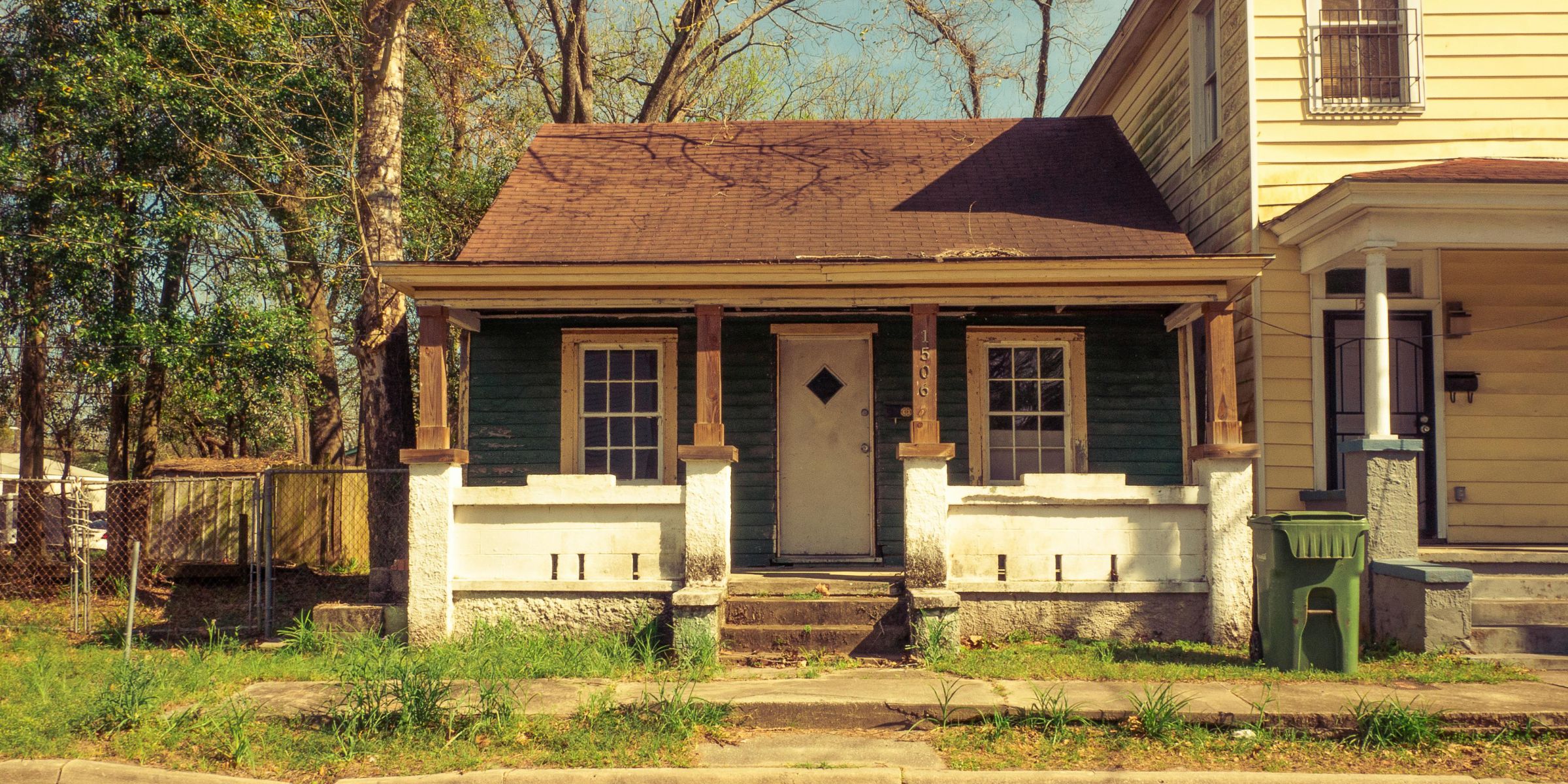
The door sat at the end of a narrow hallway, its paint peeling, handle rusted and cold to the touch. My mom, Lorraine, treated it like it was radioactive.
Advertisement
If I so much as looked at it too long, she'd appear out of nowhere.
"Don't touch that," she'd warn sharply.
Her voice had an edge that made me step back without thinking.
I remember being seven years old, playing hide-and-seek with my cousin during Thanksgiving. I'd run down that hallway, looking for a good hiding spot, and my hand had barely grazed the cellar handle when I heard Mom's footsteps behind me.
The door sat at the end of a narrow hallway.
Advertisement
"Kate, don't!" she gasped, her eyes filled with fear. "Go play upstairs. Now."
Her constant warnings had always made me wonder what was in the cellar. But I was scared to find out.
One thing was certain: whatever Mom was hiding down there was never meant to be seen.
When I was 12, I finally asked what was in there.
Mom didn't get angry. Instead, she just looked at me with this exhausted sadness and said softly, "Some doors are not meant to be opened, Kate."
Her constant warnings had always made me wonder what was in the cellar.
Advertisement
My mom wasn't dramatic. She was a medical transcriptionist. Made bland casseroles. Volunteered at church. Kept the house clean and the bills paid. She didn't believe in ghosts or superstitions.
So her fear of that cellar wasn't irrational. It was deliberate and controlled. And my dad, Jim, backed her completely.
"Your mother says it's off-limits," he'd tell me. "That's enough."
He never questioned her. Never pushed. Looking back now, I wonder if he was afraid too… not of what was down there, but of what opening it might do to Mom.
She didn't believe in ghosts or superstitions.
Advertisement
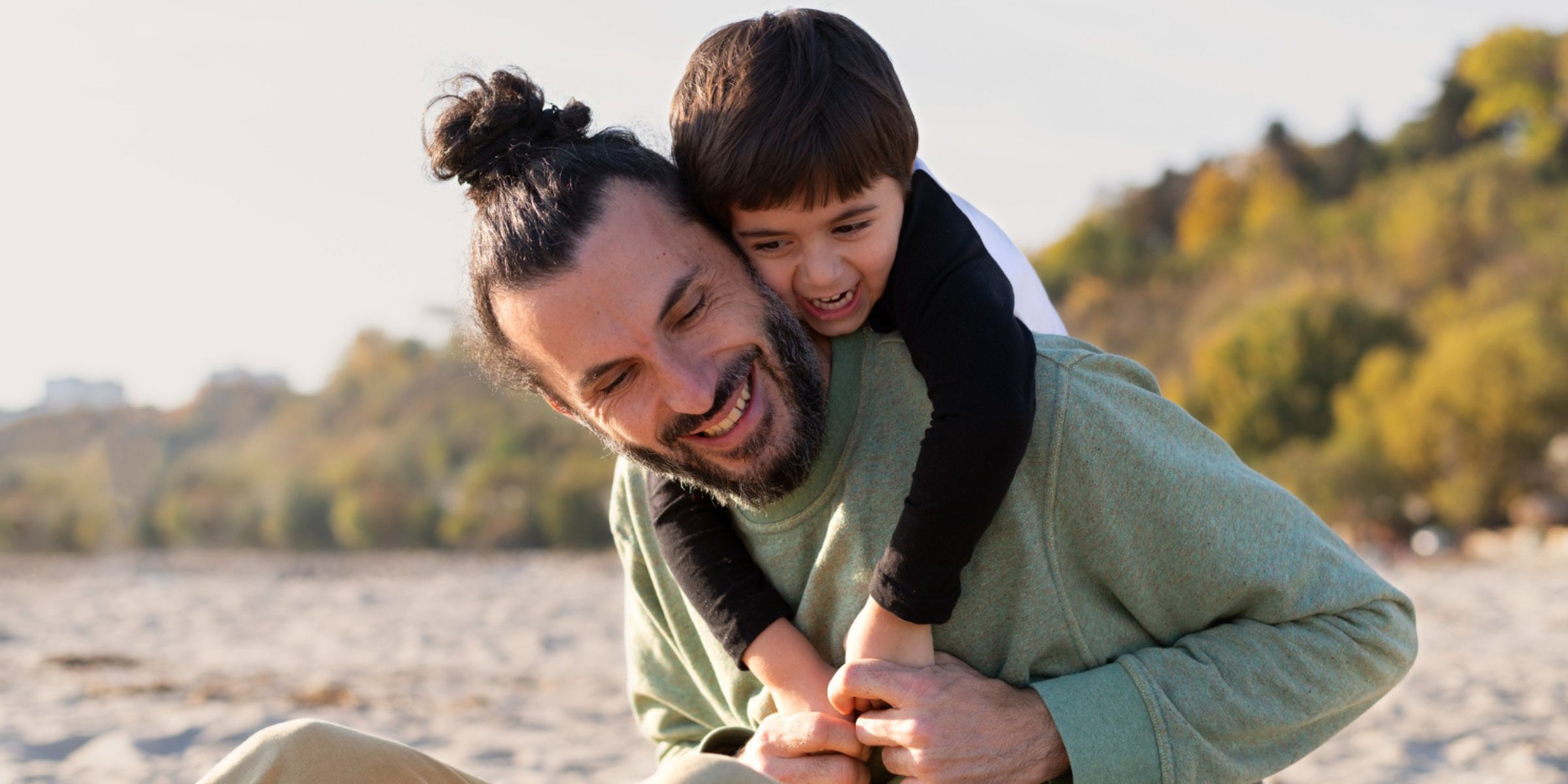
My dad wasn't cruel. Just distant in that quiet, hollow way some men are. He worked long hours, watched the news with a beer in hand, and rarely said more than a few words unless something needed fixing.
Growing up, I always assumed Mom's quiet sadness was something she carried alone, maybe even something she hid from Dad. But now I wonder if she ever had the space to talk around him at all.
Meanwhile, every housekeeper we hired got the same warning: "The cellar is locked. Don't open it. Don't ask about it."
One laughed once, thinking it was a joke. Mom didn't laugh back.
Then, the housekeeper quit a month later.
Just distant in that quiet, hollow way some men are.
Advertisement
Years passed. I left for college, moved across the country, got married, and got divorced. I built a life far away from that house and that door.
The cellar became a story I told at dinner parties sometimes.
"My mom had this weird thing about the basement."
People would laugh, call it quirky, and move on. But legends don't stay buried forever.
I left for college, moved across the country, got married, and got divorced.
The call came on a Tuesday.
Advertisement
Dad's voice was shaking. "It's your mom. Stage four. Pancreatic cancer. She's asking for you."
When I flew home the next day, Mom looked like a shadow of herself.
She was pale and fragile. Her hands were thin and spotted with bruises from the IV. But when she saw me, she smiled and reached for my hand.
"Sit," she whispered.
I sat beside her hospital bed, holding her cold fingers.
Her hands were thin and spotted with bruises from the IV.
Advertisement
"There's something I need you to do," she said, voice barely above a breath. "Before I go."
My heart raced. "Anything."
"Open the cellar."
I actually laughed, nervous and confused. "Mom, now? After all these years?"
"Only you. Only now. Before I go." She squeezed my hand weakly. "You deserve to know why I kept it locked."
"Why me? Why not… Dad?"
Her eyes filled with tears.
"There's something I need you to do."
Advertisement
"The man who raised you must never see it. Promise me, Kate. He can't know."
I didn't understand. But I nodded.
She closed her eyes, exhausted from even that short conversation.
"I should've told you sooner," she murmured. "But I was protecting you. And him. And myself."
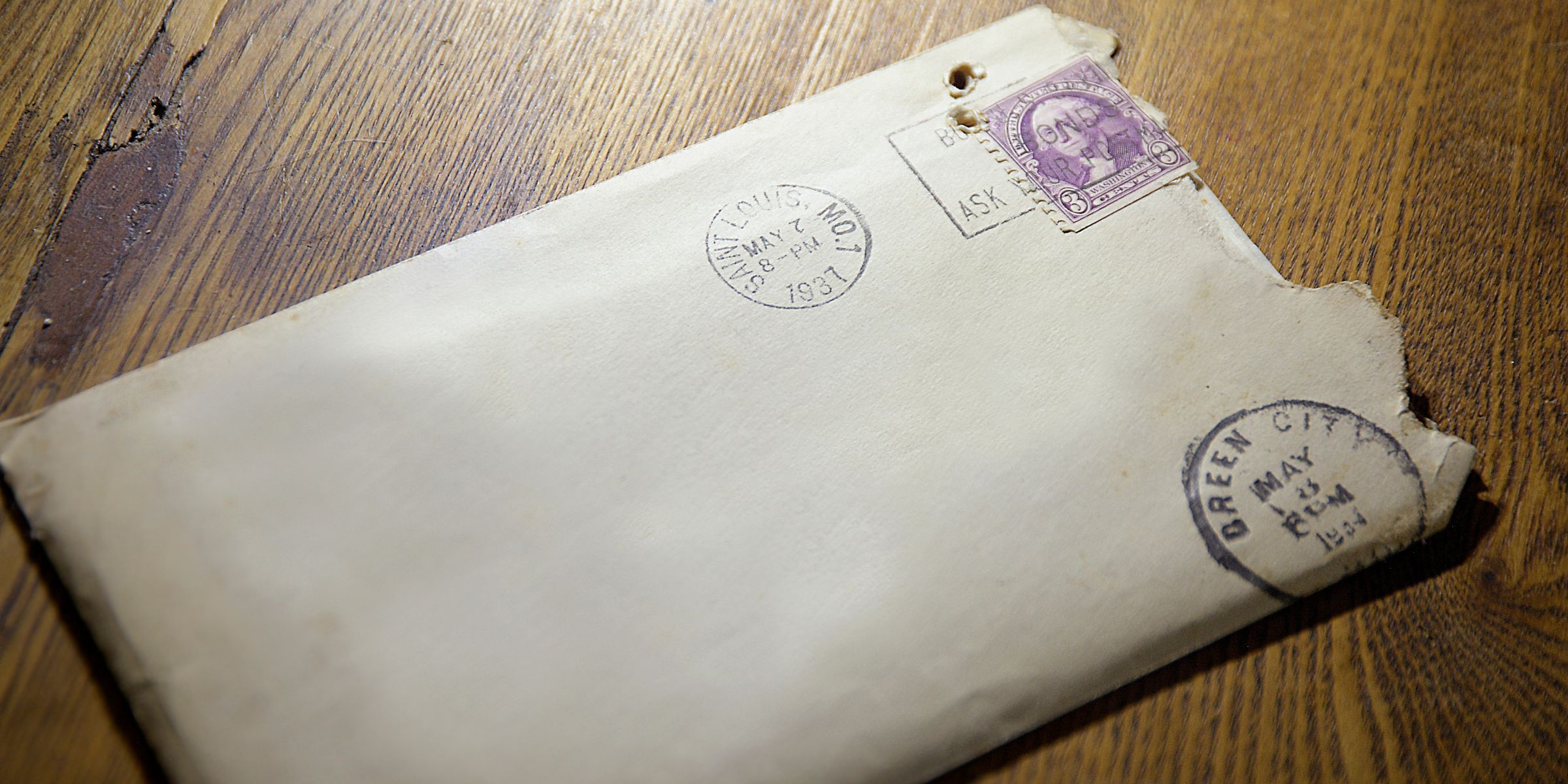
The next morning, she pressed a brass key into my palm.
"Go today," she said. "Before I'm gone."
"The man who raised you must never see it."
Advertisement
I waited until Dad had left the house to run errands. Then I stood in that narrow hallway, staring at the door I'd been forbidden to touch my entire life.
The key felt heavy in my hand. I slid it into the lock. It turned stiffly, like it hadn't been used in decades.
The door groaned open. Cold air seeped out, dry and stale, like opening a tomb.
My heart was pounding so hard I could hear it in my ears. Part of me expected something terrible: evidence of a crime. A secret Dad couldn't know. Something dark and ugly.
It turned stiffly, like it hadn't been used in decades.
Advertisement
I flipped the light switch. The bulb flickered once, then held. Weak yellow light spilled down a set of narrow wooden stairs. I took a breath and started down.
Each step creaked under my weight. The air smelled old, preserved, and untouched. And then I reached the bottom and gasped.
The cellar wasn't a cellar. It was a nursery. A fully furnished, perfectly preserved nursery.
The walls were covered with pale yellow wallpaper dotted with tiny ducks. In the corner sat a white wooden crib, a rocking chair beside it with a faded cushion worn thin by time. Above the crib, a dusty mobile of stars still hung, motionless but untouched.
I took a breath and started down.
Advertisement
Everything was clean. Not dusty in the way abandoned things get dusty. Clean in the way someone had cared for it, then stopped.
I walked forward slowly, my heart pounding.
On a small shelf sat folded baby blankets, each one carefully arranged. A stuffed bunny with one ear slightly bent. A music box shaped like a carousel.
I turned the key of the music box. It played a soft, tinkling lullaby that echoed in the silent room. My hands were shaking.
Clean in the way someone had cared for it, then stopped.
Advertisement
In the corner sat a shoebox. I opened it, my fingers trembling. Inside were dozens of photographs of my mom, younger, maybe in her mid-20s, cradling a baby girl.
She was smiling and glowing. In one picture, she lay in a hospital bed, exhausted but radiant, the newborn wrapped in a pink blanket. Another showed her in our backyard, with the baby on a blanket in the grass, reaching for the camera.
I flipped it over. The date on the back read: June 1981. Two years before I was born.
I felt the floor shift under me.
Who was this baby? Why had Mom never mentioned her? Why was this room locked away like a secret grave?
In one picture, she lay in a hospital bed.
Advertisement
In another box covered in dust, I found a small cassette tape wrapped in plastic.
The label read: "For Kate: When You're Ready for The Truth."
I ran back upstairs to Mom's bedroom, clutching the tape. I dug out an old cassette player from her sewing cabinet, hands shaking so badly I could barely press play.
The tape hissed. Then my mom's voice filled the room.
"Kate," she began, her voice soft and heavy. "If you're hearing this, it means time is finally pulling me away... and you've opened the cellar."
I sank onto the bed, clutching the player.
I ran back upstairs to Mom's bedroom, clutching the tape.
Advertisement
"You had a sister," she continued. "Her name was Abigail. She was born in 1981. Eighteen months later, she got sick. Pneumonia. It happened so fast. One week she was fine, the next…"
Her voice broke. "Your father couldn't handle it. He shut down. Stopped talking about her. Stopped saying her name. He wanted to pack everything away, donate it, and move on."
I wiped tears from my face.
"But I couldn't," Mom continued. "I couldn't erase her like she never existed. So, I moved her nursery to the cellar. Every piece, blanket, and toy. I locked them away… not from the world, but for myself. A place where she still existed."
"Stopped talking about her."
Advertisement
She paused, and I heard her crying softly on the tape.
"Every year on her birthday, I'd go down there, sit in that rocking chair. Wind up the music box. Pretend she was still with me. Your father thought I was doing laundry. Or organizing storage. He never knew."
I covered my mouth, sobbing.
"Your father knew I kept some of Abigail's things," Mom whispered. "But what I never told him was that I kept her ashes. They're in the cellar, in a small urn inside a wooden box. I just… couldn't let her go completely."
My hands covered my mouth.
"Pretend she was still with me."
Advertisement
"I wanted you to live without that weight," she finished. "But now you deserve to know why I was never the same. Why I held you tighter than other mothers. Why I couldn't open that door. Because down there was the daughter I never got to raise. And I needed her to stay whole. Somewhere. Somehow."
The tape clicked off.
I sat in silence, sobbing.
I went back down to the cellar. This time, I wasn't scared. I was heartbroken.
In the corner, beneath the crib, sat a wooden box. I opened it carefully.
"I wanted you to live without that weight."
Advertisement
Inside was a small ceramic urn, white with pink roses painted on it. And beside it, a photo of my mom holding baby Abigail in the hospital.
I lifted the urn gently, cradling it like it were alive.
"I'm so sorry," I whispered to the sister I never knew. "I'm so sorry you were forgotten."
I sat in that rocking chair, holding the urn, and cried for my mom, for Abigail, and for my dad, who'd never been allowed to grieve fully.
I thought about all the times Mom had seemed distant. All the moments she'd stare out the window with that faraway look. All the times she'd held me just a little too tightly, like I'd disappear if she let me go.
I lifted the urn gently, cradling it like it were alive.
Advertisement
She wasn't being overprotective. She was terrified of losing another daughter.
And Dad… Dad wasn't heartless. He was just afraid to look back. He coped by shutting the door on everything that hurt, especially Abigail. That was his key to survival. But Mom needed to hold on. That was hers. And somewhere in between, they both suffered alone.
When I finally locked the cellar again, I took the urn and the photo with me.
Dad came home an hour later. I was waiting in the living room, the framed photo and urn set gently on the table where he couldn't miss them.
He was just afraid to look back.
Advertisement
He stopped in his tracks. His eyes landed on the picture of Mom holding Abigail, and his whole face stiffened.
“Why would you bring this out now?”
Then he noticed the urn beside it. “What’s this?”
“Abigail’s ashes.”
His throat worked like he wanted to say something but couldn’t. His eyes grew moist as he turned away, like he might walk out… but didn't.
Instead, he sat down heavily in the armchair and stared at the floor.
"Why would you bring this out now?"
Advertisement
"I didn't know how to carry it," he said, breaking. "So I didn't."
"I know, Dad. But you don't have to carry it alone anymore."
We didn't say much after that. We just sat there, quiet, grieving, and finally… not pretending.
***
That evening, I went back to the hospital.
Mom was weaker, drifting in and out of sleep. But when she saw me walk in with the velvet pouch, her eyes focused.
"I didn't know how to carry it."
Advertisement
I pulled out the urn and the photo. She gasped, reaching for them with trembling hands. She held the urn to her chest, kissing it softly, tears streaming down her face. No words were needed.
I sat beside her, holding her hand, and we cried together.
"Thank you," she whispered finally. "For seeing her. For remembering her."
"I wish I'd known, Mom. I wish you hadn't carried this alone."
"I couldn't burden you with my grief, sweetheart. You were my second chance. My reason to keep going."
She gasped, reaching for them with trembling hands.
Advertisement
That night, Mom passed away in her sleep. I never told her I showed Dad the photo and the urn. I just whispered "I'm sorry" into the dark and hoped she'd understand.
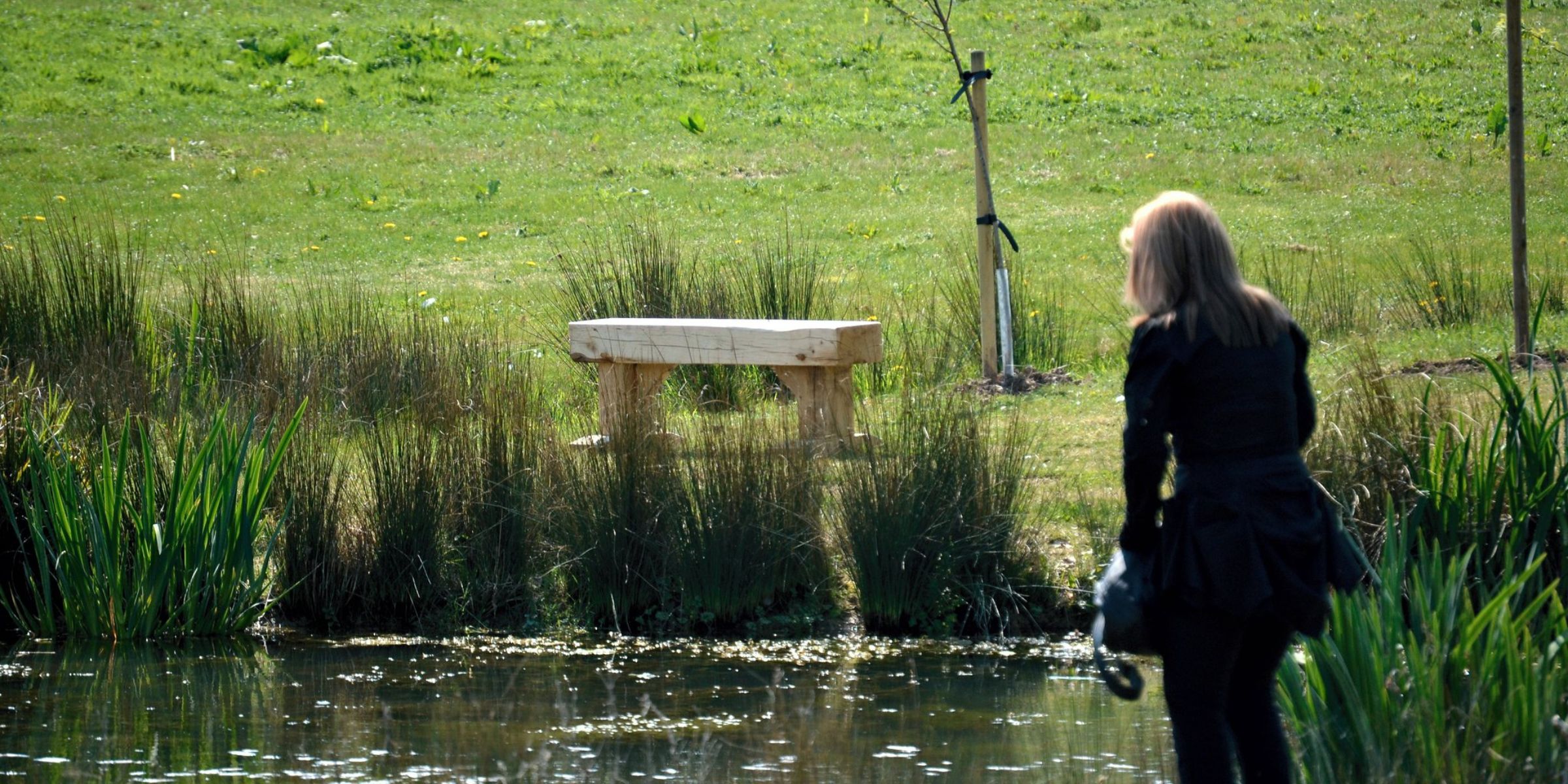
The cemetery was quiet when we placed Abigail's urn beside Mom's grave.
Dad knelt down, resting his hand on the earth, tears slipping freely.
"I didn't forget her," he said softly. "I just didn't know how to remember."
I didn't speak. Just stood beside him, shoulder to shoulder. For the first time, we grieved together… and not alone.
I never told her I showed Dad the photo and the urn.
Advertisement
What do you think happens next for these characters? Share your thoughts in the Facebook comments.
Here's another story: My wife and I tried for years to have a baby. When we finally got pregnant, we lost the child late in the pregnancy. My wife stopped smiling after that. One night, I sat in an empty church and prayed for one thing: give my wife her joy back. What I heard on the way home seemed like an answer.
Advertisement
Advertisement