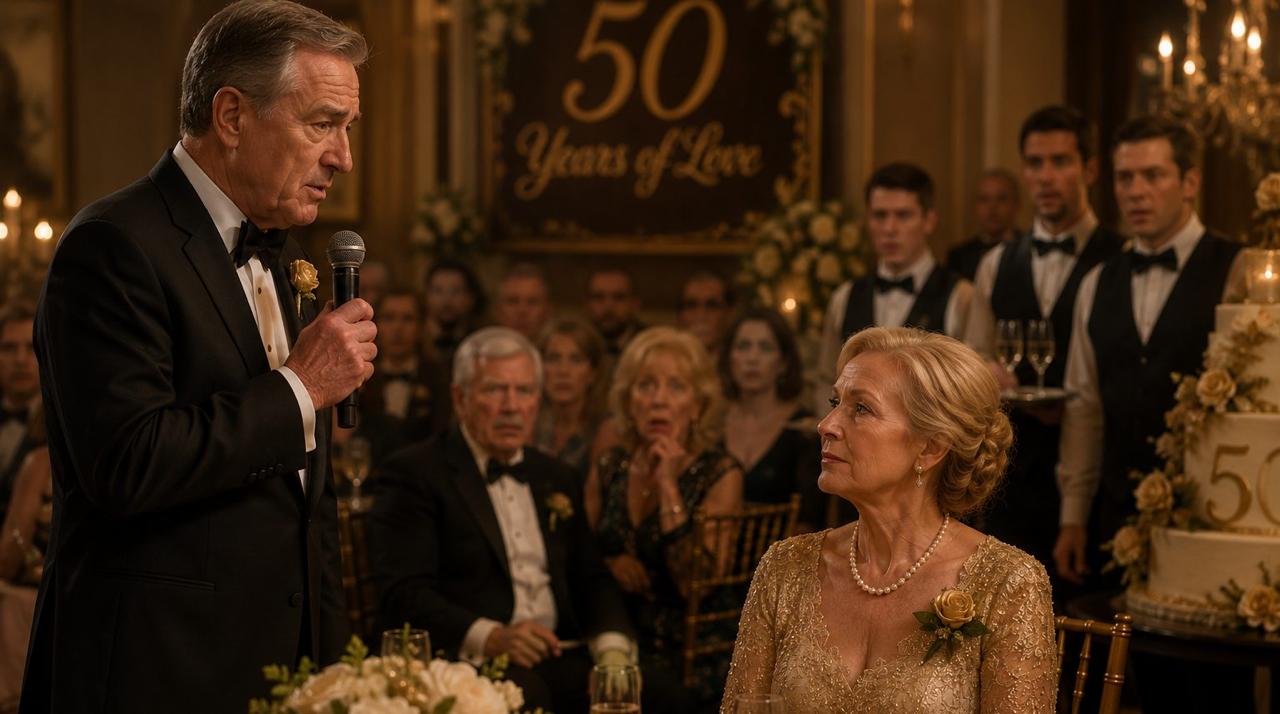
On their golden anniversary, Michael took the microphone and said, "I haven't loved you these past 50 years." Valerie didn't cry. When she asked to reply, even the waiters stopped breathing.
June 01, 2026



The phrase "Blue Monday" tends to resurface like clockwork every January. Marked as a low point in the calendar, it’s often treated as a day to expect — or try to avoid — feeling down. But where did this idea come from, and why does it keep showing up?
Every January, talk of “Blue Monday” starts to pop up across newsfeeds, ads, and social media. It’s usually marked as the third Monday of the month and is often described as the “saddest day of the year.” But how much truth is there to this gloomy label?

Scared young woman on Blue Monday | Source: Shutterstock
The idea of Blue Monday was created in 2005 by psychologist Cliff Arnall. It wasn’t part of a research project — it was part of a marketing campaign for a travel company that no longer exists.
Arnall came up with a formula based on things like weather, post-holiday debt, low motivation, and how long it had been since Christmas.
The formula was meant to figure out the most depressing day of the year, but the variables were too vague and inconsistent to hold any real weight.

Depressed woman looking out the window | Source: Shutterstock
Experts have since pointed out that the concept is pseudoscientific. There’s no solid research supporting the idea that one particular day is worse than all the others.
According to Dr. Dimitrios Paschos, a consultant psychiatrist, “Population-level research does not support the idea of a single ‘most depressing’ day. Large studies suggest mental well-being fluctuates across the week, often dipping mid-week rather than on Mondays.”

A pink piece of paper bearing the word Wednesday and a neon green piece of paper with a drawing of a sad face | Source: Shutterstock
Even though the science doesn’t hold up, the idea of Blue Monday has stuck. A big reason is that it reflects how a lot of people already feel this time of year.
January can be tough — it’s dark, cold, and often financially tight after the holidays. Many are dealing with the crash that comes after a busy, emotional season.

Man staring sadly at a document during the winter | Source: Shutterstock
Therapist Chloë Bean points out that while Blue Monday isn’t scientifically real, the emotional experience can be:
“We’re meaning-making creatures and culturally we’ve learned the story that Mondays are dreadful, work is draining, and winter is something to push through.”
The expectation that Mondays — and January in general — will be hard can turn into a kind of self-fulfilling prophecy.
As Paschos explains, “When people anticipate feeling low on a particular day, they may unconsciously scan for evidence that confirms this belief.”

Banner for Blue Monday featuring a senior woman | Source: Shutterstock
Whether or not you believe in Blue Monday, it’s not a bad idea to slow down and check in with how you’re feeling.
Bean suggests tuning into your emotions instead of pushing through. She recommends small actions like getting outside in the morning, planning something pleasant for Monday night, or even just stretching, journaling, or calling a friend:
“The blues can be both a story we’ve inherited and a signal from the body that something needs attention or support.”
Paschos echoes this approach. He advises focusing on things you can actually change — sleep, routines, connection, and setting small, realistic goals.

Senior woman breathing the morning air | Source: Shutterstock
“The most helpful response to January distress is not a label, but compassionate self-care and practical support to others,” he says.
Blue Monday might not be a real phenomenon, but it still opens the door to talk about mental health. Rather than bracing for a bad day, it may be more helpful to use it as a reminder to care for yourself and check in with others — without the pressure of living up to a label.
On their golden anniversary, Michael took the microphone and said, "I haven't loved you these past 50 years." Valerie didn't cry. When she asked to reply, even the waiters stopped breathing.
June 01, 2026

10 Science-Backed Health Benefits of Walking Every Day
June 01, 2026

The Only Person Who Attended Every Funeral in Town Wasn't Related to Anyone
July 06, 2026

My brother drained every account I had and vanished with his girlfriend. I thought my life was over until my 10-year-old daughter looked at me and said: "Mom, don't worry. I handled it."
June 09, 2026

My son texted me: "You're hosting Thanksgiving for 30 — already told everyone." Two days later, I read what my own family had written in a chat they forgot I could see — and I understood this was never about Thanksgiving.
June 11, 2026

New Study Says Coffee May Help Reduce Anxiety — but Only at This Amount
June 26, 2026
My husband texted me from Vegas to say he'd just married his coworker and called me pitiful. I replied "Cool," canceled his cards, changed the locks — and the cops showed up at my door the next morning.
June 05, 2026

My DIL left me alone on Christmas — 17 relatives, four cars, and a group chat without me. I canceled the $18,500 booking. By 6:30 a.m., I had 103 missed calls.
May 29, 2026

For 15 Years, Our Stepmom Made My Twin Sister and Me Believe Our Mom Left Us – Until One Day I Accidentally Overheard the Shocking Truth
May 20, 2026
A Little Boy Left Drawings on a Stranger's Grave Every Week – Then a Woman Pointed at Him and Said, 'That's Impossible'
June 19, 2026

At the will reading, the lawyer handed each of us a $5 million check. The next morning, what the bank manager discovered left him speechless.
June 12, 2026