
The Woman Next to Me on the Plane Demanded I Buy a Second Seat Because I Was Pregnant – Karma Got Her Faster than I Ever Could
July 24, 2026


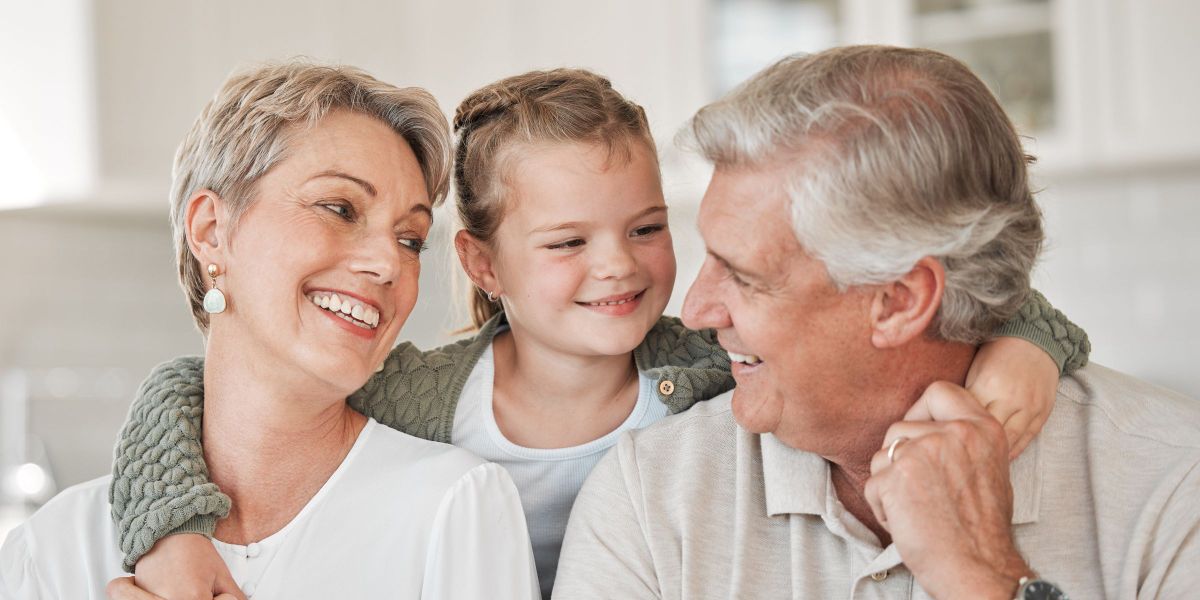

While you’ve already raised your own children, being the best grandparent today often starts with knowing when to step up and when to take a backseat.
Being a grandparent is a special time. You get to relive the joy of loving a child without the daily pressure of being the parent.
However, the world has changed since you were raising kids, and what was normal then may not be best today. Understanding how to connect with your grandkids while supporting your adult children is essential to being the grandparent your family actually needs.

Grandparents doting on their grandchild | Source: Shutterstock
A common point of friction is the shift in safety and parenting styles. You might find yourself saying, “We didn’t have all these safety rules and my kids lived.”
But as the American Academy of Pediatrics (AAP) shows, we know much more now about child safety, from sleep positions to feeding. Your adult children are getting the latest medical information, so acting like you know better can create unnecessary stress for them

Woman with a child arguing with a stubborn older lady | Source: Shutterstock
It’s best to follow their lead, even if it’s unfamiliar. You might even read up on new methods or take an infant safety course to stay current.
Boundaries are another sensitive area. While you may be eager to spend time with your grandchildren, new parents often need space.

New parents enjoying alone time with their baby | Source: Shutterstock
The key is to ask and respect their wishes before showing up. Offering to bring dinner, run errands, or do laundry allows the new parents to initially bond with their baby exclusively.
Finally, don't assume it's okay to share images on social media. Many parents are very careful about online privacy, so always ask permission before posting photos of your grandkids.

Grandparents taking a selfie with their grandchild | Source: Shutterstock
Modern grandparenting also means being aware of how you interact emotionally. Instead of minimizing a grandchild's feelings with phrases like "stop crying" or "there's nothing to be upset about," help them name their emotions and show them how to handle big feelings.
When it comes to discipline, "because I said so" or using shame is no longer the way to go. Discipline should be a learning opportunity, not a way to humiliate.

Older woman scolding a child | Source: Shutterstock
Correcting behavior privately and calmly, without attacking their character, is much more effective. Most importantly, never withhold affection to punish them. Love should be unconditional; a child should never have to wonder if they are loved.

Older woman comforting a crying child | Source: Shutterstock
It’s common to feel a sense of competition with other grandparents, especially those who live closer. However, showering grandkids with gifts doesn’t make you a better grandparent—in fact, parents are often already overwhelmed with baby items. Focus on building a genuine connection rather than competing.
Lastly, do not “parent the parents.” Unless your grandchild is in real danger, your role is to support your adult children as they navigate their own journey.

Grandparents with their children and grandchildren enjoying a happy moment | Source: Shutterstock
As Dr. Karen Fingerman says, “If there aren’t crisis issues — sit back and enjoy and don’t try to direct.” Sometimes, the best help you can offer is simply saying, “You’re doing great” and adoring both your grandchild and their parents.
By respecting boundaries, offering genuine support, and fostering emotional well-being, you can truly be the grandparent your family needs and cherishes.
The Woman Next to Me on the Plane Demanded I Buy a Second Seat Because I Was Pregnant – Karma Got Her Faster than I Ever Could
July 24, 2026

My Sister Used My Son's Inheritance to Buy a Sports Car — Then a Lawyer Found Something Much Worse
June 22, 2026

Kathie Lee Gifford Said She ‘Wanted to Die’ While Recovering From Multiple Surgeries
July 02, 2026

The Man I Saved at a Football Game Became the Father of My Baby – Then a Stranger Said Five Words That Changed Everything
July 16, 2026

My Sister Showed Up With Suitcases and a Spare Key — I Stayed Calm, Then Everyone Saw What Was Really Happening
June 19, 2026

I Had a Tummy Tuck After Three Pregnancies – Then My Husband Changed the Locks
July 31, 2026

My Family Handed Me Papers to Take Everything I Owned — They Froze When They Saw What I Had Done
June 19, 2026

My DIL Dumped Three Kids on Me During My First Ocean Vacation, Saying, 'You Have to Earn Back the Money We Spent on You' – Then My Son Put Her in Her Place
August 06, 2026

Why Danny DeVito and Rhea Perlman Never Divorced Despite Their Split
August 11, 2026

A Female Police Officer Came to My House and Told Me to Stay Away from My Husband
June 26, 2026

5 Daily Habits of People Who Live Past 100, According to a New Survey
September 02, 2026