
Do You Have Revenge Bedtime Procrastination? — What You Need To Know
July 04, 2026


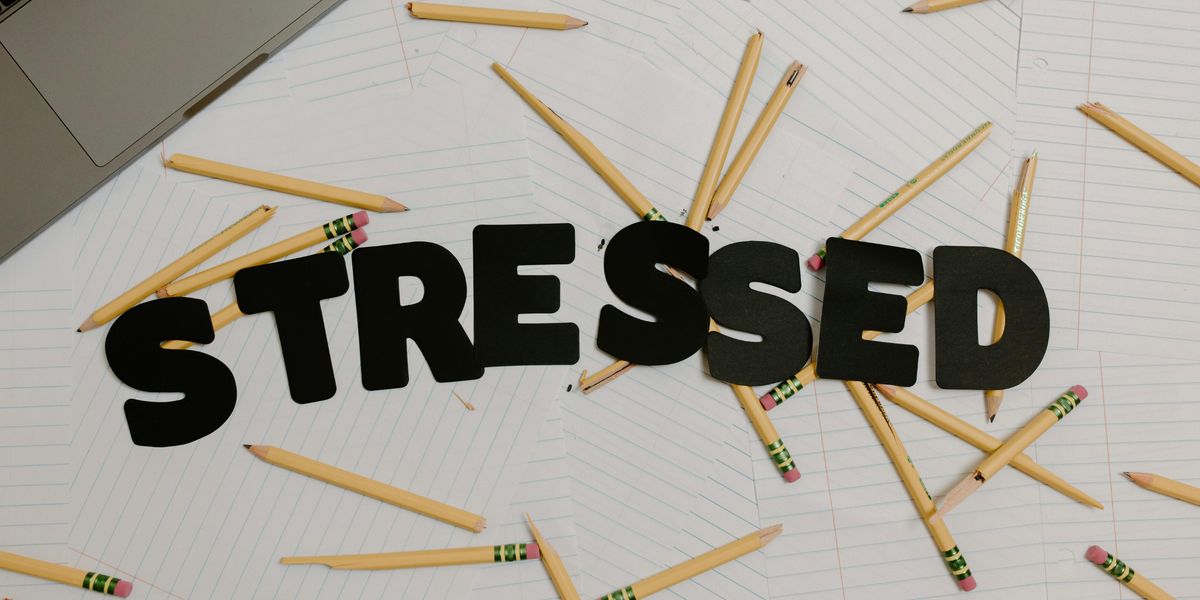

It can start as “just a busy season,” then slowly become your new normal. If you have been feeling worn down for months, snapping more easily, sleeping poorly, or noticing more aches and stomach upset than usual, your body may be signaling that stress has turned chronic.
Stress is part of being human. A sudden scare or a tight deadline can sharpen your focus, speed up your heartbeat, and help you act quickly. That “fight-or-flight” response is your body’s built-in alarm system, powered by stress hormones such as adrenaline and cortisol.

A frustrated woman | Source: Pexels
The problem begins when the alarm rarely turns off. When stress sticks around for weeks or months because of ongoing financial worries, family strain, health concerns, or world events, it can become chronic.
Over time, chronic stress can affect how you feel, how you function, and how well your body maintains itself. The good news is that small, consistent habits can lower stress’s impact and help you feel steadier again.

A woman experiencing chronic stress | Source: Pexels
In short bursts, stress can be useful. It can improve alertness, increase energy, and help you respond to danger. Your muscles tense to protect you, your breathing quickens to bring in more oxygen, and your mind narrows its attention to what matters most in the moment.
This response is meant to be temporary. After the situation passes, the body is designed to return to its baseline. Chronic stress is different. It is the ongoing feeling that you are under pressure, even when there is no immediate threat in front of you.

An older woman turning her stress into motivation to exercise | Source: Pexels
Two people can face the same challenge and react in very different ways. That does not mean one is “strong” and the other is “weak.” Stress sensitivity is influenced by a mix of biology and life experience.
Some people inherit a more reactive stress response, meaning their bodies may release stress hormones more quickly or take longer to settle down. Past experiences also matter.

A woman drinking water | Source: Pexels
People who lived through trauma, especially during childhood, or who have faced repeated high-risk events may be more likely to experience intense stress reactions later in life. On the other hand, supportive relationships, stable routines, and effective coping skills can help buffer stress over time.
Wherever you fall on that spectrum, stress is not a personal failing. It is a signal, and signals can be responded to.

A woman practicing Yoga | Source: Pexels
When the stress response stays switched on, it can start to wear on multiple systems at once.
Heart and circulation: Chronic stress can keep your heart rate and blood pressure higher than normal, which may strain the cardiovascular system over time. You may notice palpitations, chest tightness, or a sense of being “keyed up.”
Muscles and pain: Constant tension can contribute to headaches, jaw clenching, shoulder tightness, and back pain. Some people also experience stomach discomfort because stress can affect digestion.

A stressed-out woman | Source: Pexels
Sleep and energy: Stress and sleep affect each other in both directions. Stress can make it hard to fall asleep or stay asleep, and poor sleep can make stress feel worse the next day. Over time, this can lead to fatigue, irritability, and trouble concentrating.
Mood and memory: Ongoing surges of cortisol can affect emotional regulation and mental clarity. Many people describe chronic stress as feeling scattered, forgetful, or unable to shut the mind off.
If you are dealing with ongoing symptoms, it is worth discussing them with a healthcare provider, especially if you have existing heart conditions, chronic pain, or sleep disorders.

A woman under deep stress | Source: Pexels
You cannot remove every stressor from life, but you can reduce the impact stress has on your body and improve your recovery after difficult moments.
Move your body regularly. Physical activity helps burn off stress hormones and supports mood. A daily walk is a strong starting point, especially if you are getting back into exercise. If your doctor approves, gentle aerobics, dancing, swimming, or light jogging can also help. The goal is not intensity. The goal is consistency.
Use calming techniques that fit your style. Deep breathing, meditation, yoga, massage, or quiet stretching can cue the nervous system to slow down. Even five minutes of slow breathing can feel like a reset during a stressful day.

A woman taking a moment to breathe | Source: Shutterstock
Write it out. Journaling can help organize racing thoughts and make problems feel more manageable. Consider ending the day by noting what went well, what you are grateful for, or what you want to handle tomorrow. Then give yourself permission to stop mentally rehearsing.
Protect your sleep. Aim for a steady schedule and a wind-down routine. Sleep is not a luxury. It is when your brain processes the day and your body repairs itself. Keep the bedroom cool and dark, limit late-day caffeine, and try to reduce screen time right before bed.
Focus on what you can control. When life feels uncertain, small choices can restore a sense of stability. Planning meals, organizing medications, setting a simple daily goal, or making a short list for tomorrow can help. Control does not erase problems, but it can help you feel more grounded.

A woman journaling after a long day | Source: Pexels
Sometimes self-care is not enough, and that is not a sign you have failed. A mental health professional can help you build coping tools, work through past experiences, and manage anxiety or depression that may accompany chronic stress. Support is available, and reaching out can be the first step toward feeling safe and steady again.

The information in this article is not intended or implied to be a substitute for professional medical advice, diagnosis or treatment. All content, including text, and images contained on AmoMama.com, or available through AmoMama.com is for general information purposes only. AmoMama.com does not take responsibility for any action taken as a result of reading this article. Before undertaking any course of treatment please consult with your healthcare provider.
Do You Have Revenge Bedtime Procrastination? — What You Need To Know
July 04, 2026

What Happens to Your Body When You Stop Drinking Alcohol?
June 17, 2026

'Bed Rotting' Became a Trend — But Is It Healthy?
July 12, 2026

The Silent Symptoms of Perimenopause Many Women Miss
July 31, 2026

Clear Your Thoughts the Same Way You Organize Your Home
May 17, 2026

Magnesium Benefits Every Woman Should Know
May 26, 2026

Hair Thinning After 40? Here's Why It Happens — and How 'Hair Longevity' Can Help
September 01, 2026

My Husband Was Caught on the Baby Camera Every Night at 2 AM Holding a Paper Bag – When I Saw What Was Inside, I Gasped
June 18, 2026

At-Home Remedies to Treat a Headache
July 11, 2026

What to Do in Your First Month of Retirement (Plus, the Hobbies That Help)
September 11, 2026

Why Working From a Coffee Shop May Be Better for You Than Working From Home
June 30, 2026