
Having 'Boring' Conversations Could Be Good for Your Mental Health, Study Finds
September 13, 2026


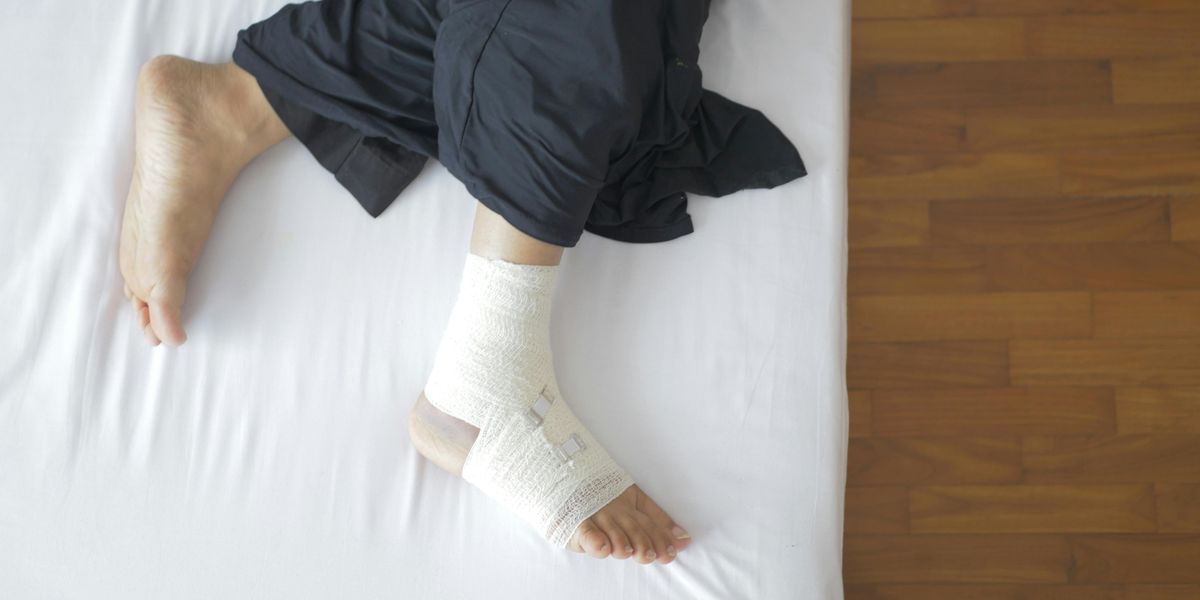

Your feet do more than carry you through the day. They can signal changes happening inside your body. Swelling, numbness, and slow-healing wounds may seem minor, but they can point to serious health concerns that require medical attention.
Many people overlook changes in their feet. However, subtle differences in color, temperature, or sensation can reveal important clues about your overall health. While some symptoms are harmless, others may signal serious conditions that should not be ignored.
Here are several signs your feet may be sending and what they could mean.

A woman's feet | Source: Pexels
Swollen feet after a long day can seem harmless. However, frequent or persistent swelling may signal something more serious.
Medically known as peripheral edema, this condition occurs when excess fluid collects in body tissues. It is most noticeable in the feet, ankles, and legs due to gravity. Mild swelling can result from standing or sitting too long. Chronic or bilateral swelling may point to an underlying health condition.

A woman confined in a hospital room | Source: Pexels
Swollen feet can be a symptom of heart failure. When the heart struggles to pump blood effectively, fluid can build up in the lower extremities.
It can also signal liver disease. In advanced liver diseases such as cirrhosis, normal fluid regulation is disrupted. Fluid can leak into surrounding tissues, causing swelling in the feet, ankles, legs, or even the abdomen. This type of edema may appear alongside other signs of liver dysfunction, including yellowing of the skin or eyes, known as jaundice, spider veins, and easy bruising.

A woman at the hospital | Source: Pexels
If you notice swelling, observe its pattern. Swelling in one leg could signal a blood clot. Swelling in both legs may point to circulation problems, heart issues, or liver conditions. Pay attention to when it occurs and whether it appears without a clear cause. Other warning signs include breathlessness, chest pain, yellowing of the skin, or sudden weight gain.
For mild swelling, elevating your legs, reducing salt intake, staying active, and avoiding prolonged periods of sitting or standing may help. Persistent or severe swelling should be evaluated by a medical professional.

Two pairs of feet | Source: Pexels
Type 2 diabetes can cause complications that often appear in the feet first. High blood sugar levels can affect nerves and circulation, leading to noticeable symptoms.
Cold feet, numbness in the feet or hands, hair loss on the feet, brittle toenails, and wounds that do not heal are possible warning signs. Reduced sensation can make it difficult to feel injuries. Poor circulation can slow the healing process.
Because of this link, regular foot checks are important for people with diabetes. Even small cuts or blisters can become serious if left untreated.

A person holding a digital blood sugar meter | Source: Pexels
Occasional minor discomfort may not be cause for alarm. However, ongoing swelling, persistent numbness, unexplained changes in skin color, or wounds that do not heal should not be ignored.
Your feet can provide early clues about heart problems, liver disease, blood clots, and diabetes-related complications. Paying attention to these signals allows for earlier medical evaluation and treatment.
Your feet reflect more than daily wear and tear. They can reveal underlying health conditions that may otherwise go unnoticed. Monitoring changes and responding promptly to unusual symptoms can protect your long-term health.

A woman being checked by a nurse | Source: Pexels
When in doubt, consult a healthcare professional. Early attention to foot-related symptoms can make a meaningful difference in identifying and managing serious conditions.

The information in this article is not intended or implied to be a substitute for professional medical advice, diagnosis or treatment. All content, including text, and images contained on AmoMama.com, or available through AmoMama.com is for general information purposes only. AmoMama.com does not take responsibility for any action taken as a result of reading this article. Before undertaking any course of treatment please consult with your healthcare provider.
Having 'Boring' Conversations Could Be Good for Your Mental Health, Study Finds
September 13, 2026

Foods That Help with Bloating
July 03, 2026

5 Signs of Anxiety in Men You're Probably Missing
August 24, 2026

You’re Probably Not Eating Enough Whole Grains — Here’s Why That Matters for Your Heart
September 21, 2026

Why Height Loss Happens with Age, and When It Signals a Bigger Problem
September 10, 2026

Fall Fatigue Is Real: Experts Explain Why and How to Fix It
October 01, 2026

Can You Really Sweat Out a Cold? Doctors Set the Record Straight
October 13, 2026

What Is Orthorexia? Dietitians Explain the Warning Signs of an Unhealthy Obsession With Healthy Eating
September 22, 2026

At-Home Remedies to Treat a Headache
July 11, 2026

New Study Says Coffee May Help Reduce Anxiety — but Only at This Amount
June 26, 2026

I Had Chin Surgery to Correct a Birth Defect – Then My MIL Secretly Canceled My Follow-Up Appointment
August 03, 2026