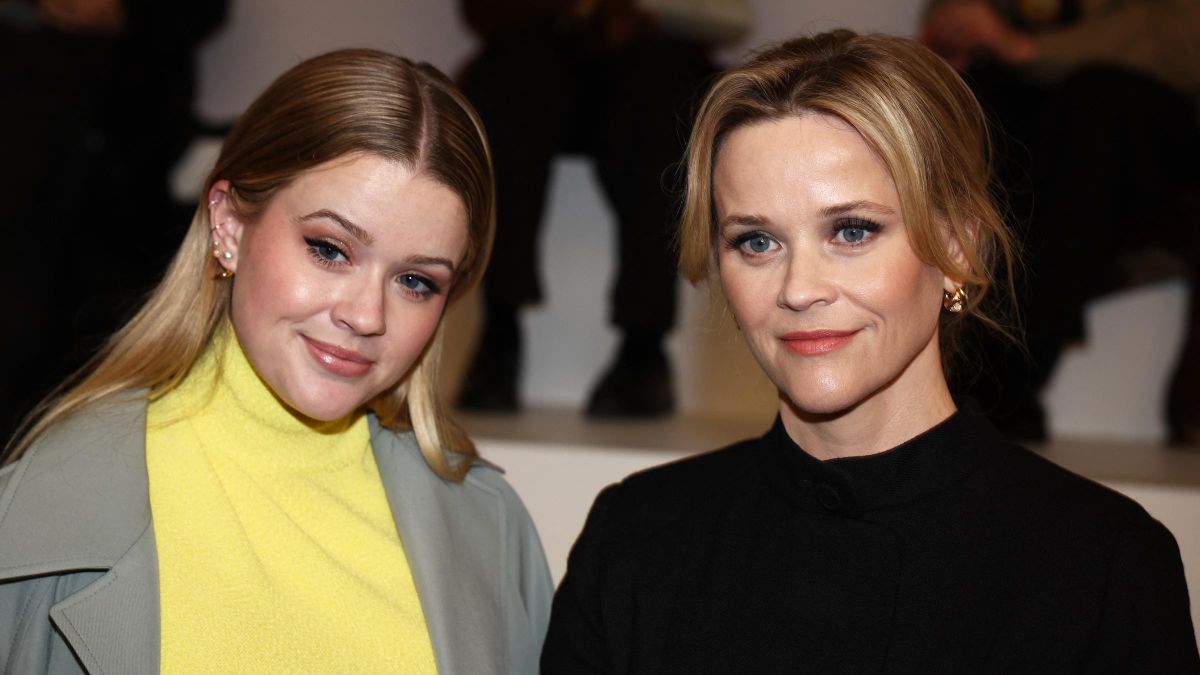
15 Famous Actresses and Their Lookalike Daughters – Photos
May 08, 2026



It's not just aging. Trichologists reveal the real reasons hair thins after 40, and the shift in haircare habits that's helping people get ahead of it.
You'll notice it in the shower drain first. A few strands one week, a few more the next. Eventually, a little more scalp starts showing through where thicker hair used to be.

A woman whose scalp is partially visible due to thinning hair | Source: Pexels
It's not unusual, especially once you hit your 40s. Hair naturally gets thinner with age, hormones shift, and that once-full ponytail doesn't feel quite as full in your hand anymore.
And it turns out you're not the only one paying attention to this. The same obsession with prevention and aging well that's taken over skincare and wellness has finally made its way to hair. These days, they're calling it "hair longevity," and it's becoming big business.

A woman admiring her hair in the mirror | Source: Pexels
Traditionally, haircare is reactive. When dandruff shows up, you treat it. When your hair becomes oily, you switch shampoos. On the other hand, "hair longevity" is proactive. The goal is prevention—avoiding the problem instead of fixing it after the fact.
Trichologist Pablo Ramos notes three main changes in haircare habits to ensure longevity: (1) prevention over reaction, (2) scalp health over hair length as the real marker of health, and (3) consistent routines over quick one-off fixes.

A woman washing her hair in the shower | Source: Pexels
Statistics reveal that over 20% of women under 50 deal with thinning hair. That number jumps to around 65% during and after menopause. So if this is happening to you, you're definitely not alone.
Hormones play an important role. Estrogen is basically hair's best friend because it keeps strands in their growth phase longer. In contrast, androgens, like testosterone, shorten that growth cycle. And as estrogen drops during menopause, that balance shifts.

Woman observing herself through a bathroom mirror | Source: Pexels
But it's not only hormones. Other factors, such as genetics, stress, scalp circulation, and styling damage from heat and chemical processing, can add to that hormonal shift, which is why two people going through the same hormonal changes can end up with very different hair.
Even thyroid issues, which are common as one ages, can also contribute to this, so it won’t hurt to consult a general practitioner for a diagnosis.

A woman consulting with a health professional | Source: Pexels
Hair loss can be classified into two main types.
The first, Telogen Effluvium, refers to the gradual thinning of hair strands and shrinking of hair follicles over time.
The second, Female Pattern Hair Loss, is a little more complicated because, in this case, the cause depends on your stage in life. The trigger in your 20s may be different from what triggers hair loss during perimenopause or menopause.
Whichever one you're dealing with, the way to respond is through consistent, preventive care.

Hair being combed | Source: Pexels
To promote hair longevity, here’s what trichologists advise:
Much like how you would care for your skin, consistently care for your scalp. Washing regularly removes dead skin and excess oils, making the scalp a cleaner environment for hair to thrive. Be careful not to overwash and remove all natural oils. This can result in an itchy, dry, frizzy, or greasy scalp.

Woman washing her hair | Source: Pexels
Think twice before you switch on that hair dryer. Limit your hair’s exposure to elements such as heat and chemical treatments. Avoid tight hairstyles because they can weaken hair fibers.

Woman tying her hair in a ponytail | Source: Pexels
If hormones are the reason for your thinning hair, medical options like minoxidil or anti-androgenic treatments exist. But before you resort to these, talk to a professional first to determine the right approach for the kind of cause you’re addressing.

A professional inspecting a woman's scalp | Source: Pexels
Trimming your hair regularly and easing up on heat styling can make a big difference. It’s also especially important to manage your stress, since stress alone can raise DHT levels, the hormone mostly responsible for shrinking hair follicles.

A woman undergoing stress | Source: Pexels
None of this is one-size-fits-all. Real changes need a real, personalized look at your health and history.
So maybe hair longevity isn't about chasing some miracle fix. It's the same lesson longevity always teaches us. Prevent, don't panic. Some hair in the drain doesn't mean the story's over. It just means it's time to pay attention.
15 Famous Actresses and Their Lookalike Daughters – Photos
May 08, 2026

My Husband Publicly Embarrassed Me over My Menopause and Left Me – What My Son Did Next Made Everyone Go Silent
July 21, 2026

What Your Cravings May Be Telling You About Your Health
May 20, 2026

How Frequently You Should Be Cleaning These Common Household Items
July 15, 2026

The Best Time to Shower for Your Health, According to Experts
May 24, 2026

The New Principal Wanted the Old School Stray Dog Gone Because He 'Ruined the Image' – He Had No Idea How Much He'd Regret It
June 05, 2026

Foods That Support Better Skin Naturally
June 18, 2026

10 Signs You Might Be Overtraining
July 11, 2026

Sandra Oh Says She Needed Therapy to Navigate Early ‘Grey’s Anatomy’ Fame and Loss of Privacy
August 10, 2026

Jennifer Garner Shares the Fast-Paced Beauty Routine Behind Her Everyday Glow
May 21, 2026

Study Finds This Type of Oil May Help Keep Your Brain Healthy
April 30, 2026