
My Daughter Stopped Letting Me Take Pictures of Her and Deleted All Her Social Media – Then I Saw Her Face on a Missing Child Poster at the Grocery Store
June 08, 2026



The morning after my son did something kind with the last thing he had left of his father, our quiet little grief stopped being private. By breakfast, there was something waiting on our porch that made me realize my husband had been carrying a whole other kind of love through the world.
My son Miles is eight. My husband Sam died a year ago. I still hate typing that sentence. It feels too clean for what it did to us.
Since he died, I have become very good at surviving in boring ways. Packing lunches. Answering school emails. Paying bills. Smiling when people say, "You're so strong," because what else are you supposed to say? Miles changed too. He got quieter, but not shut down. Watchful. He notices tired cashiers. He asks if kids at school are okay. He carries other people's sadness like it might spill if he does not hold it carefully. That was Sam too.
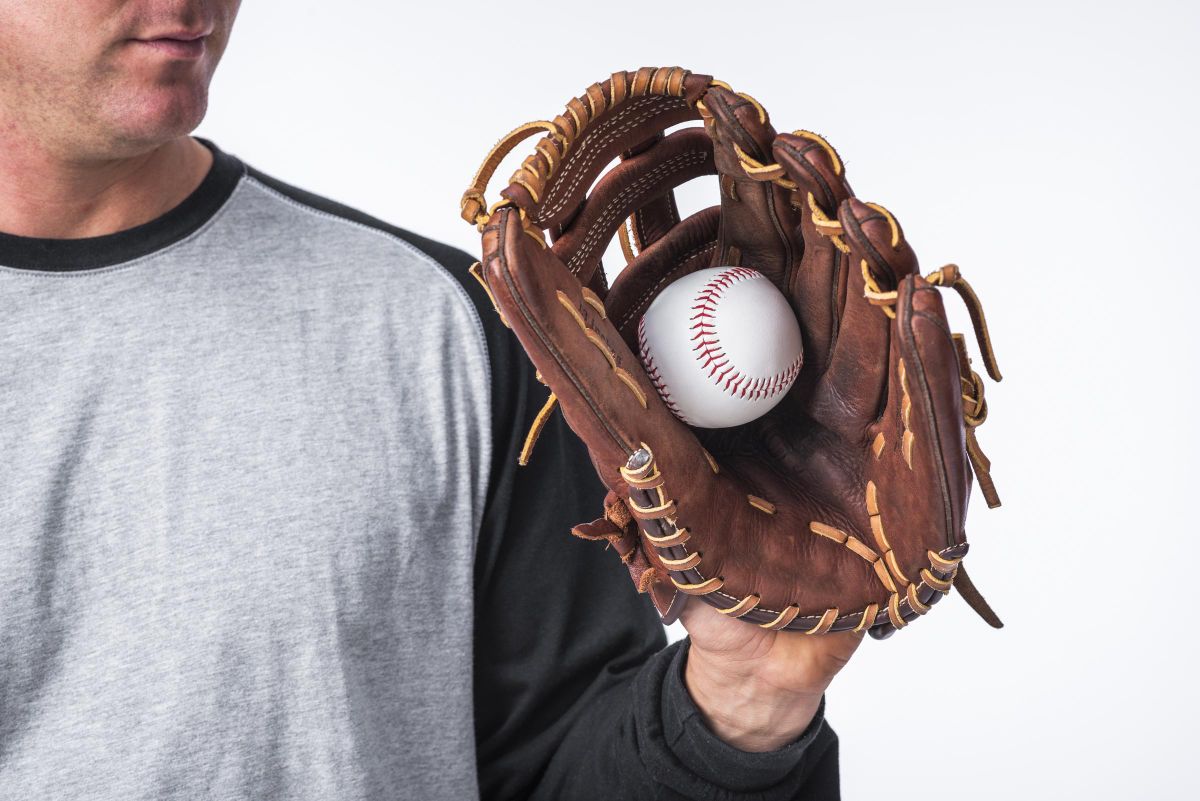
Two days ago, Miles came home from school without Sam's old baseball glove.
Sam wasn't perfect. He forgot trash day all the time. He burned pancakes every Saturday and called them "extra flavor." But he always stopped for people. That was just who he was.
Two days ago, Miles came home from school without Sam's old baseball glove. I noticed before he even took his shoes off. That glove was not just sports stuff. Sam had used it in high school, in college, and in every backyard game he ever talked his friends into. After he died, Miles treated it like a living thing. He kept it on his shelf. Sometimes he slept with it beside his bed.
So I said, very carefully, "Miles, where is your dad's glove?"
I already felt sick.
He froze.
Then he stared at the floor and twisted his backpack straps around his hands.
"There was a boy behind the supermarket."
I thought I had misheard him. "Behind the supermarket?"
He nodded. "He was sitting by the dumpsters. He said it was his birthday, but his dad never came. He asked if I knew how to play catch."
I already felt sick.
I said, "And you gave him the glove?"
Miles cried that night because he missed the glove.
Miles nodded again.
"He was crying, Mom. He kept saying he just wanted to know what it felt like."
I didn't know what to say to that. Before I could even try, Miles looked up at me with wet eyes and whispered, "Dad would've played catch with him, right?"
That was it.
I pulled him into me and said, "Yes. He would have."
Then, the morning after that, our neighbor Karen screamed from my porch.
Miles cried that night because he missed the glove. Not in a tantrum way. In that quiet, wrecked way kids cry when they know they did something kind and it still hurts.
After he fell asleep, I sat outside his room and thought about what grief does to children. How it can make them strangely generous. How it can make them give away the one thing they most want to keep because someone else looks even sadder.
The next morning, nothing happened. I had almost forgotten about it by the afternoon. I figured maybe the glove was gone for good, and that was that. Then, the morning after that, our neighbor Karen screamed from my porch. Not called out. Screamed.
Every single glove had a photograph tucked into the pocket.
I ran to the front door barefoot, with Miles right behind me in his pajamas, and stopped so hard I almost hit the frame. There were baseball gloves all over my porch. Not nailed. Not thrown around. Lined up carefully across the steps and hanging from the railing with bits of twine. Old ones. New ones. Tiny kid gloves. A catcher's mitt. A left-handed glove. One pink glove with glitter in the stitching. There had to be almost thirty of them.
Every single glove had a photograph tucked into the pocket. Karen was standing in my yard with one hand over her chest saying, "I didn't touch anything. I just saw them and yelled." Miles grabbed my arm.
It showed the boy from behind the supermarket.
"Mom," he whispered. "That's him."
He was pointing at one of the photos.
I picked it up.
It showed the boy from behind the supermarket. Thin. Dark hair. Maybe ten or eleven. Serious little face. He was standing beside Sam at a baseball field I did not recognize.
My stomach dropped.
After they left, I carried every glove into the living room and laid them out on the rug.
Miles pointed at the glove holding that photo and said, "Look inside."
My hands were shaking. I reached in and pulled out a folded birthday card, softened at the edges. The handwriting on the front made my throat close. It was Sam's. On the front, in blue marker, it said: For Eli — if I'm running late. I had never heard that name before in my life. Miles looked from the card to the gloves to me. I said, "Go get my phone. Right now."
I called the police. After a while, they finally showed up. They took pictures. They asked if I knew anyone named Eli. They asked if Sam had enemies. I actually laughed at that because Sam barely believed in honking at bad drivers. In the end, they called it trespassing and told me to let them know if anyone came back. That was reasonable. It was also useless.
I stared at the pictures for a long time.
After they left, I carried every glove into the living room and laid them out on the rug. Miles sat beside me and helped sort the photos. Some showed little kids. Some showed teenagers. A few looked years apart. But in almost every single one, there was the same place in the background. A chain-link fence. A rusted dugout. A little field. The field behind the supermarket.
I stared at the pictures for a long time, then I called my sister and told her where I was going. She told me I was out of my mind. I told her she was probably right. Then I took Miles with me in broad daylight and drove to the field.
It looked half-forgotten. Faded chalk. Weeds along the fence. A bench behind the dugout with peeling green paint.
That was when an older man came around the dugout carrying a broom.
We walked around the edge of it, and when I ducked down to look underneath, I found letters carved into the wood. S + M. That knocked the air out of me.
"I knew it," Miles whispered.
That was when an older man came around the dugout carrying a broom. He stopped when he saw us.
"Can I help you?" he asked.
I held up one of the photos and said, "I'm looking for someone who knew my husband."
He looked at the picture. Then at me.
Sam had been coming there for years to play catch.
"You're Sam's wife," he said quietly.
His name was Ray. He had helped to look after the field for years. When I asked how he knew Sam, Ray leaned on the broom handle and stared out at the empty outfield for a few seconds before answering.
"Your husband used to come by after work," he said. "Said he was just stopping in for 10 minutes. Usually stayed longer."
"To play?"
Ray shook his head. "To show up."
Sam had always said he stopped by the field now and then to clear his head or help Ray with cleanup.
I must have looked confused, because he went on. Sam had been coming there for years to play catch with kids whose parents worked late, forgot, drifted, promised things they did not keep, or simply did not come. Some were neighborhood kids. Some came over from the diner. Some only showed up once. Some came all the time.
I said, "He never told me this."
Ray gave me a sad look. "You knew he came home late sometimes, didn't you?"
I did. Sam had always said he stopped by the field now and then to clear his head or help Ray with cleanup. I believed him because it was close enough to true that I never pushed.
Then Ray looked at the card in my hand.
I asked about Eli.
Ray got very still.
Then he sighed and said, "That one worried him."
Eli's father had a habit of promising birthday visits and not showing up. Every year Eli waited. Every year he got left there with a cake somewhere and no dad in sight. Sam found out and started going to the field on Eli's birthday with a ball and glove. He never tried to replace anybody. He never made speeches. He would just say, "I'm here now."
Then Ray looked at the card in my hand.
Sam had promised Eli a birthday game on the day he died.
"That was for the last one," he said.
I already knew.
Sam had promised Eli a birthday game on the day he died.
He never made it.
Eli waited anyway.
Nobody told him why.
Ray was the one who knew our address.
The date hit me all at once then. Miles had met Eli on the anniversary of the day Sam had failed to show up for the first and only time. I sat down on the bench because my legs stopped feeling reliable.
Miles asked, "Do you know where Eli is?"
Ray nodded. His mother worked at the diner two blocks over. Ray knew her. He also knew exactly how the gloves ended up on my porch. The night Miles gave Eli Sam's glove, Eli had taken it to Ray. Ray recognized it instantly. He called some of the older kids from the pictures, the ones still in town. They had already been planning to bring their gloves to my house that week on the anniversary of Sam's death. A memorial. Quiet. Respectful. Eli showing up with Sam's glove changed everything.
We went straight to the diner.
So yes. Ray was the one who knew our address. Ray was the one who called them. And suddenly the porch made sense. Not all of it. Not emotionally. But mechanically.
We went straight to the diner. Eli was in a booth doing homework while his mother worked the counter. He looked up when I walked in and went tense immediately. Miles stepped beside me but did not say anything. I knelt in front of Eli and said, "You are not in trouble."
He looked doubtful.
I held out the card and asked, "Did Sam ever give you this?"
Eli started crying before he got to the end.
Eli shook his head.
His mother came around the counter and stopped cold when she saw Sam's handwriting.
"Oh," she said.
Just that. Like the whole story lived inside one sound.
Eli opened the card. Inside, Sam had written: If I'm running late, don't sit there thinking it's because you weren't worth showing up for. Sometimes grown men fail because they are weak. Sometimes they fail because life gets in the way. Either way, it is not about your value. You matter on the days people come through and on the days they don't. Don't forget that.
Then he turned the card over and found one last line at the bottom.
Eli started crying before he got to the end.
Then he turned the card over and found one last line at the bottom.
If I miss it today, somebody good will find you. I believe that.
Miles started crying too. I think that was the moment I decided I was not going to let this end in a diner booth with a child holding a card from a dead man. So I said, "Eli. Get your shoes."
He blinked. "Why?"
"Because we're going to the field."
His mother looked at me. "Are you serious?"
Ray turned on the field lights for us.
"No," I said. "But I'm doing it anyway."
Ray turned on the field lights for us. Then he called people. So did I. So did Eli's mother. By the time the sun started going down, they began arriving. Teenagers from the photos. Adults who had been kids when Sam knew them. Parents carrying little ones who wanted to know why everyone kept crying and smiling at the same time.
Someone brought a grocery-store cake. Ray found baseballs. Miles handed Eli Sam's glove and said, "First pitch is yours." I caught it badly and everybody cheered anyway. On the drive home, Miles fell asleep smiling. I kept thinking Sam had not left us a mystery. He had left us proof that showing up matters, and somehow our son had found it first already.
My Daughter Stopped Letting Me Take Pictures of Her and Deleted All Her Social Media – Then I Saw Her Face on a Missing Child Poster at the Grocery Store
June 08, 2026

I Found This Toy Hidden Under My Son's Bed – When I Learned How It Got There, I Got Chills
June 03, 2026

I Inherited a Motel in the Middle of Nowhere – Room 14 Was Permanently Locked
June 19, 2026

My New Neighbors Laughed When I Asked Them to Control Their Dog – Then Their Son Knocked and Whispered, 'Mom Doesn't Know I'm Here'
July 01, 2026
My Granddaughter Kept Asking Why Grandpa Slept in the Shed – But My Husband Had Passed Away Eight Months Earlier
June 08, 2026

After 16 Years Together, I Finally Proposed to the Love of My Life – But Instead of Saying Yes, She Whispered, 'You Deserve to Know the Truth Before You Say Another Word'
July 23, 2026

My Son Got Sunburned Protecting a Homeless Man's Suitcase – The Next Morning, I Found Something That Made Me Drop to My Knees
June 04, 2026

A Boy Walked up to My Wheelchair in a Crowded Café and Said He Could Make Me Walk Again – I Laughed, Until My Toes Moved After Twenty Silent Years
June 02, 2026

My Mom Stitched My Graduation Suit from My Dad's Old Uniform – The Most Popular Girl in School Laughed at Me Until the Principal Grabbed the Mic
June 12, 2026
My Mother Kept Paying for a Storage Unit After My Father Passed Away – When I Finally Opened It, Every Box Had My Name Crossed Out
June 09, 2026

I Never Married or Danced with Another Man After My High School Sweetheart Disappeared on Prom Night in 1985 – Last Week, a Little Girl Handed Me His Prom Boutonniere
August 04, 2026